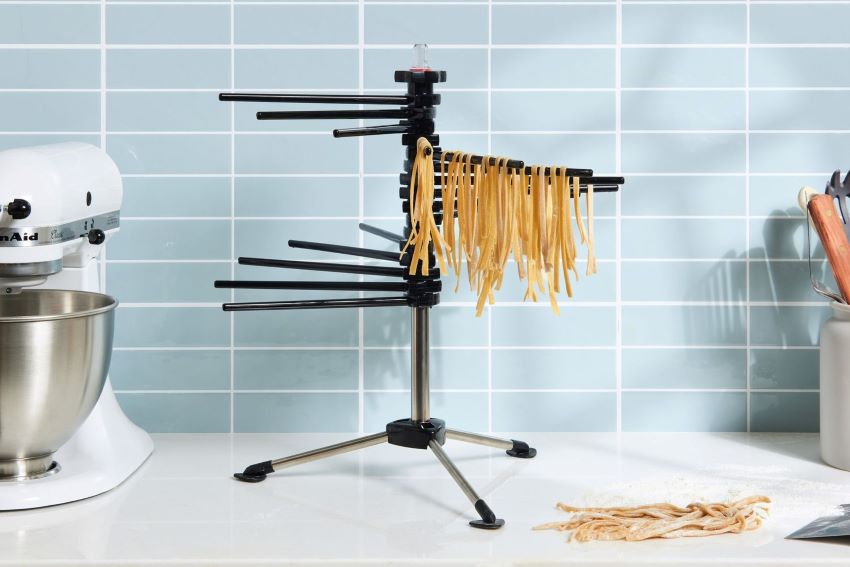
Homemade pasta is more than just food—it’s an experience. The aroma of fresh dough, the silky texture of hand-cut noodles, and the satisfaction of creating something authentic from scratch are unmatched. Yet, achieving that perfect pasta requires the right tool. In this MARCATO Atlas 150 Review, we dive deep into one of the most iconic pasta makers on the market to see if it truly lives up to its reputation as the gold standard for home chefs.
Why the MARCATO Atlas 150 Stands Out
When it comes to pasta makers, few names carry the prestige of Marcato. Crafted in Italy, the Atlas 150 has been a staple in kitchens worldwide for decades. It’s not just a machine—it’s a piece of culinary tradition. The design is sleek, the build is sturdy, and the performance promises consistency every time you roll out dough.
For those who want to elevate their cooking, the MARCATO Atlas pasta maker offers a blend of durability and precision that makes it a favorite among both beginners and seasoned chefs.

Image Source
First Impressions and Build Quality
The Atlas 150 is made from chrome-plated steel, giving it a polished look while ensuring long-lasting durability. It feels solid right out of the box, with no flimsy parts or loose fittings. The rollers and cutters are designed to deliver smooth, uniform sheets of pasta without tearing or sticking.
Ease of Use
One of the biggest advantages of this classic manual pasta machine is its simplicity. The hand crank attaches easily, and the adjustable knob lets you choose from 10 thickness settings. Whether you’re making delicate angel hair or hearty lasagna sheets, the Atlas 150 adapts effortlessly.
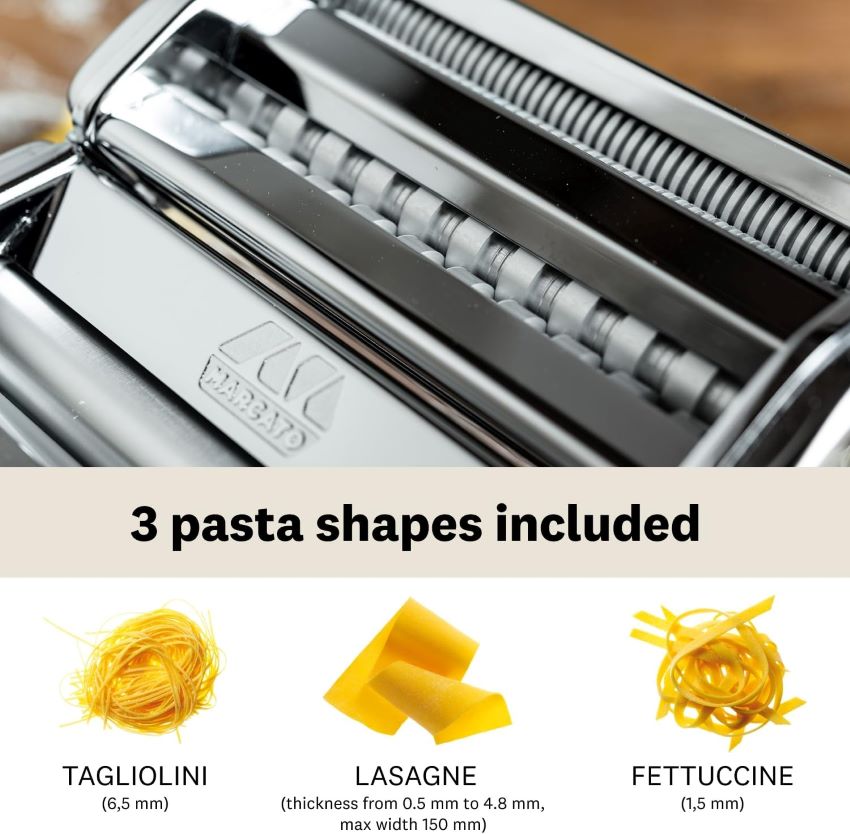
Additionally, the included cutters allow you to create fettuccine and tagliolini straight away. For those who want more variety, Marcato offers optional attachments for spaghetti, ravioli, and other pasta styles.
Performance in the Kitchen
Testing the Atlas 150 revealed why it’s considered a benchmark in pasta-making. The rollers glide smoothly, producing consistent sheets of dough. Even after multiple batches, the machine maintained its precision without requiring adjustments.
- Smooth operation: The crank turns easily without wobbling.
- Consistent thickness: Each setting delivers reliable results.
- Versatility: Works well with different types of flour, including semolina and all-purpose.
Therefore, whether you’re preparing pasta for a family dinner or experimenting with gourmet recipes, the Atlas 150 ensures professional-quality results.
Cleaning and Maintenance
Unlike electric pasta makers, the Atlas 150 requires minimal upkeep. Since the rollers are made of anodized aluminum, they resist sticking and corrosion. Cleaning is straightforward—simply brush off excess flour and wipe with a dry cloth. Importantly, water should never be used, as it can damage the machine.
This low-maintenance design makes it ideal for regular use without the hassle of complicated cleaning routines.
Pros and Cons
To give you a balanced view, here are the highlights and drawbacks:
- Pros
- Durable chrome-plated steel construction
- Adjustable thickness with 10 settings
- Smooth, consistent rolling and cutting
- Expandable with multiple attachments
- Easy to clean and maintain
- Cons
- Manual operation requires effort compared to electric models
- Limited to two pasta shapes without extra attachments
- Slightly heavier than cheaper alternatives
Who Should Buy the Atlas 150?
This pasta maker is perfect for anyone who values authenticity and craftsmanship. If you enjoy cooking as a hands-on experience, the Atlas 150 will become a cherished tool in your kitchen. However, if convenience is your priority, you might prefer an electric model.
Still, for those who appreciate tradition, the Atlas 150 offers unmatched reliability and charm.
FAQs About the MARCATO Atlas 150
1. Is the MARCATO Atlas 150 suitable for beginners?
Yes, its straightforward design makes it beginner-friendly. The adjustable settings allow new users to experiment without difficulty.
2. Can I make gluten-free pasta with the Atlas 150?
Absolutely. The rollers handle different dough types, including gluten-free recipes, though consistency may vary depending on ingredients.
3. Does the machine come with attachments?
The Atlas 150 includes cutters for fettuccine and tagliolini. Additional attachments for spaghetti, ravioli, and other pasta types are sold separately.
4. How do I clean the Atlas 150?
Simply brush off flour and wipe with a dry cloth. Avoid water or detergents, as they can damage the rollers.
5. Is the Atlas 150 worth the investment?
Yes. Its durability, precision, and expandability make it a long-term kitchen companion that pays off over time.
Final Verdict
After thorough testing, this MARCATO Atlas 150 Review confirms that the machine lives up to its reputation. It combines Italian craftsmanship with practical functionality, making it one of the best manual pasta makers available today. Read More: Philips Pasta and Noodle Maker HR2375/06 – Full Review And Features
While it requires manual effort, the results are worth it—silky sheets of pasta, consistent thickness, and the satisfaction of creating authentic dishes at home.
Call to Action
Ready to bring the art of pasta-making into your kitchen? Don’t settle for store-bought noodles when you can craft your own with the MARCATO Atlas 150. Experience the joy of homemade pasta and elevate your cooking today—your family and guests will taste the difference.
Featured Image Source