
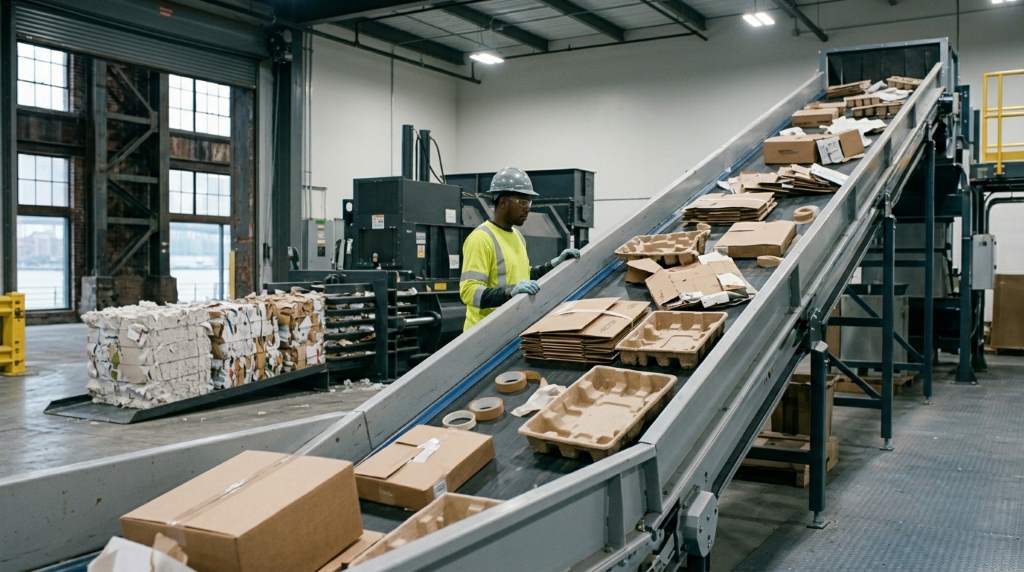
Businesses across New York continue to face growing pressure to lower environmental impacts while maintaining efficient operations. Recent studies show packaging creates a significant share of supply chain emissions. In addition, consumers increasingly prefer brands that demonstrate measurable sustainability efforts. Many organizations now use solutions such as biodegradable beverage bottle packaging to support environmental goals. As a result, companies in New York, NY reduce packaging carbon footprints through smarter design, cleaner materials, and more efficient logistics.
Why Packaging Emissions Matter in New York
New York serves as one of the country’s busiest commercial hubs. Therefore, massive product movement creates substantial packaging waste every year. Companies recognize that packaging choices affect transportation, storage, and disposal emissions. Consequently, many firms now treat packaging as a core sustainability priority.
Urban density creates unique environmental challenges throughout the city. Furthermore, limited landfill space increases the importance of waste reduction programs. Businesses must balance customer expectations with environmental responsibility. As a result, innovative packaging strategies continue to gain momentum.
Many organizations now evaluate packaging throughout its entire lifecycle. They measure emissions from raw material extraction to final disposal. This broader perspective reveals opportunities for significant carbon reductions. Therefore, lifecycle analysis has become a valuable decision making tool.
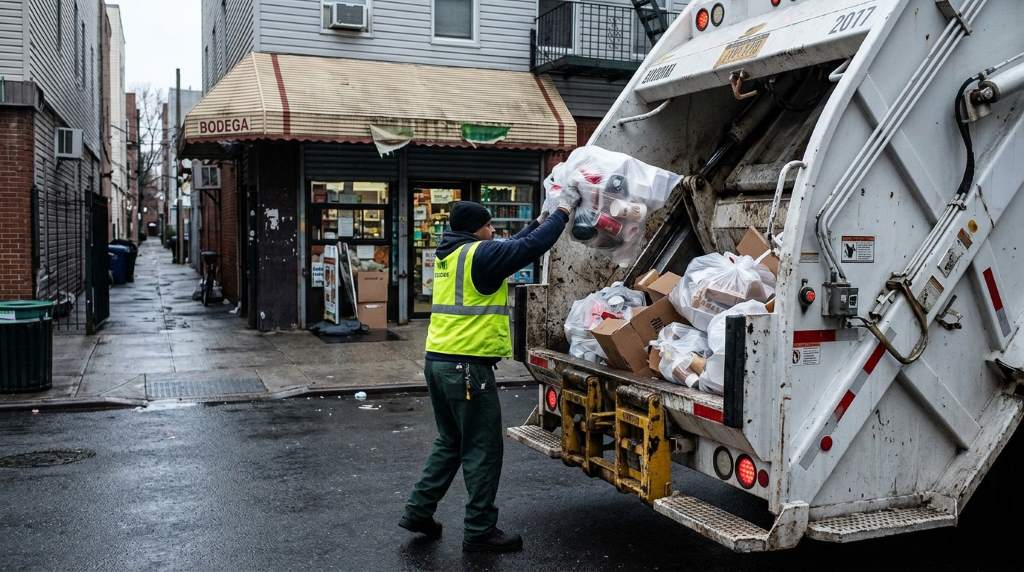
Using Lightweight Packaging Materials
Reducing package weight remains one of the fastest ways to lower emissions. Lighter packages require less fuel during transportation. Consequently, companies can reduce costs while cutting carbon output. Many businesses now redesign products with material efficiency in mind.
Several manufacturers replace heavy plastic components with thinner alternatives. Others switch to recycled paper solutions that maintain durability. Similarly, packaging engineers remove unnecessary layers and inserts. These changes often produce meaningful environmental benefits.
Companies also examine warehouse operations to improve efficiency. Similar planning principles appear in guides about home emergency cover worth evaluating long term risks before making investments. Businesses apply the same approach when selecting sustainable packaging systems. Therefore, strategic planning supports both environmental and financial goals.
Increasing Recycled Content
Recycled materials help companies lower dependence on virgin resources. Moreover, producing recycled materials often requires less energy. Many New York brands now incorporate recycled paper, cardboard, and plastics. This shift reduces emissions throughout the supply chain.
Retailers increasingly request packaging suppliers to meet recycled content targets. Consequently, manufacturers continue expanding their sustainable product offerings. Many firms publish annual sustainability reports to demonstrate progress. These reports also strengthen consumer trust.
Some organizations establish closed loop systems with suppliers. Under these programs, materials return for processing and reuse. As a result, companies minimize waste while conserving valuable resources. Circular systems continue gaining attention across many industries.
Benefits of Recycled Packaging
- Lower raw material consumption
- Reduced manufacturing emissions
- Less landfill waste generation
- Improved sustainability reporting metrics
- Stronger customer perception
Optimizing Packaging Design
Smart design often delivers larger benefits than expensive technology upgrades. Packaging teams carefully analyze dimensions, shapes, and structural requirements. Then they eliminate unnecessary components without sacrificing product protection. This process reduces both material use and transportation emissions.
Many companies adopt right sizing strategies for shipping containers. Smaller packages allow more products to fit into delivery vehicles. Consequently, transportation efficiency improves significantly across distribution networks. Fewer trips result in lower carbon emissions.
Designers frequently use digital modeling tools before production begins. These systems identify weaknesses and opportunities for improvement. Likewise, businesses rely on preventive planning methods similar to six flat roof maintenance practices that reduce future problems. Early planning consistently supports better long term outcomes.
Reducing Empty Space in Shipping
Empty space inside packages creates hidden environmental costs. Larger packages require more materials and occupy additional transportation capacity. Therefore, companies increasingly focus on precise package sizing. This strategy improves efficiency throughout the distribution process.
E commerce businesses face particular pressure to address oversized packaging. Customers often notice excessive material use immediately. Consequently, brands seek solutions that enhance customer satisfaction while reducing waste. Better package sizing helps achieve both objectives.
Advanced software now calculates optimal package dimensions automatically. These systems match products with appropriate shipping containers. As a result, organizations reduce filler material requirements. Transportation networks also operate more efficiently.
Adopting Renewable Packaging Materials
Renewable materials provide another path toward lower packaging emissions. Many companies explore plant based alternatives to traditional petroleum products. These materials often come from rapidly renewable resources. Therefore, they can reduce overall environmental impacts.
Paper based packaging continues growing across numerous sectors. In addition, advances in material science improve durability and performance. Companies can now replace certain plastic applications without sacrificing functionality. This development expands sustainable packaging opportunities.
Several food and beverage companies lead adoption efforts. Their large packaging volumes create significant environmental impacts. Consequently, even small improvements generate meaningful carbon reductions. Industry leaders continue investing heavily in sustainable innovation.
Improving Local Sourcing Strategies
Transportation contributes substantially to packaging related emissions. Therefore, many businesses prioritize regional suppliers whenever possible. Shorter transportation distances reduce fuel consumption and delivery costs. Local sourcing also improves supply chain resilience.
New York companies benefit from access to extensive regional manufacturing networks. Many suppliers operate within nearby states and transportation corridors. Consequently, organizations can source materials efficiently without excessive shipping requirements. This geographic advantage supports sustainability goals.
Local partnerships often encourage stronger collaboration. Suppliers and manufacturers can work together on packaging improvements. As a result, innovation occurs faster and implementation becomes easier. Strong relationships frequently support long term environmental progress.
Using Data to Track Packaging Performance
Data driven decision making plays a growing role in sustainability programs. Companies increasingly measure packaging emissions across multiple stages. This information reveals inefficiencies and improvement opportunities. Therefore, accurate data supports more effective environmental strategies.
Organizations monitor transportation emissions, material consumption, and waste generation. They also evaluate supplier performance and recycling outcomes. Consequently, leaders gain a clearer understanding of packaging impacts. Better visibility often leads to better decisions.
Some companies create carbon scorecards for packaging suppliers. These scorecards encourage continuous improvement throughout the supply chain. As a result, sustainability efforts extend beyond internal operations. Collaborative accountability strengthens environmental performance.
An Uncommon Strategy: Packaging Carbon Budgeting
One emerging practice remains relatively uncommon but highly effective. Some companies establish carbon budgets specifically for packaging operations. Teams receive emission limits alongside traditional financial targets. Therefore, environmental performance becomes part of routine business planning.
Under this approach, departments evaluate every packaging decision through a carbon lens. Managers compare environmental costs alongside monetary expenses. Consequently, sustainable options receive greater consideration during procurement decisions. This method encourages measurable accountability.
Several forward thinking firms use internal carbon pricing models. Teams assign financial values to estimated emissions. As a result, environmental impacts become easier to quantify and compare. This practice helps guide smarter packaging investments.
Preparing for New York’s Climate Challenges
New York experiences hot summers, cold winters, and severe storms. Therefore, packaging must protect products under varying conditions. Companies seek materials that balance durability with sustainability. Climate considerations influence packaging decisions throughout the year.
Humidity presents additional challenges for paper based packaging. Businesses carefully test materials before large scale implementation. Consequently, they maintain product protection while reducing environmental impacts. Reliable testing helps avoid costly failures.
Warehouse managers also improve storage environments to protect sustainable materials. Similar operational thinking appears in guides about make your garage more functional through better organization and planning. Efficient facilities support both sustainability and performance objectives.
How Consumers Influence Packaging Decisions
Customer expectations continue shaping corporate sustainability strategies. Many buyers actively seek environmentally responsible brands. Therefore, packaging often becomes a visible symbol of a company’s values. Businesses recognize this growing consumer influence.
Transparency helps companies build stronger relationships with customers. Many brands now share information about recycled content and carbon reductions. Consequently, consumers gain confidence in sustainability claims. Clear communication supports long term brand loyalty.
Organizations that combine environmental responsibility with product quality often achieve stronger results. Customers appreciate practical sustainability improvements. As a result, companies benefit from both environmental and commercial advantages. Packaging innovation supports competitive differentiation.
Conclusion
Companies in New York, NY reduce packaging carbon footprints through material innovation, smarter design, local sourcing, and data driven decision making. These strategies lower emissions while improving operational efficiency and customer satisfaction. Moreover, emerging practices such as packaging carbon budgeting create new opportunities for measurable progress. Businesses that invest in sustainable packaging today position themselves for long term success. Start evaluating your packaging systems now and identify practical changes that can reduce environmental impacts while strengthening your brand.
FAQs
How does lightweight packaging reduce carbon emissions?
Lighter packaging requires less fuel during transportation and lowers overall supply chain emissions.
Why do companies use recycled packaging materials?
Recycled materials reduce resource consumption and often require less energy to produce.
What is right sizing in packaging?
Right sizing means using package dimensions that closely match the product being shipped.
How does local sourcing support sustainability?
Local sourcing reduces transportation distances and lowers related carbon emissions.
What is packaging carbon budgeting?
Packaging carbon budgeting assigns emission targets to packaging decisions alongside financial goals.