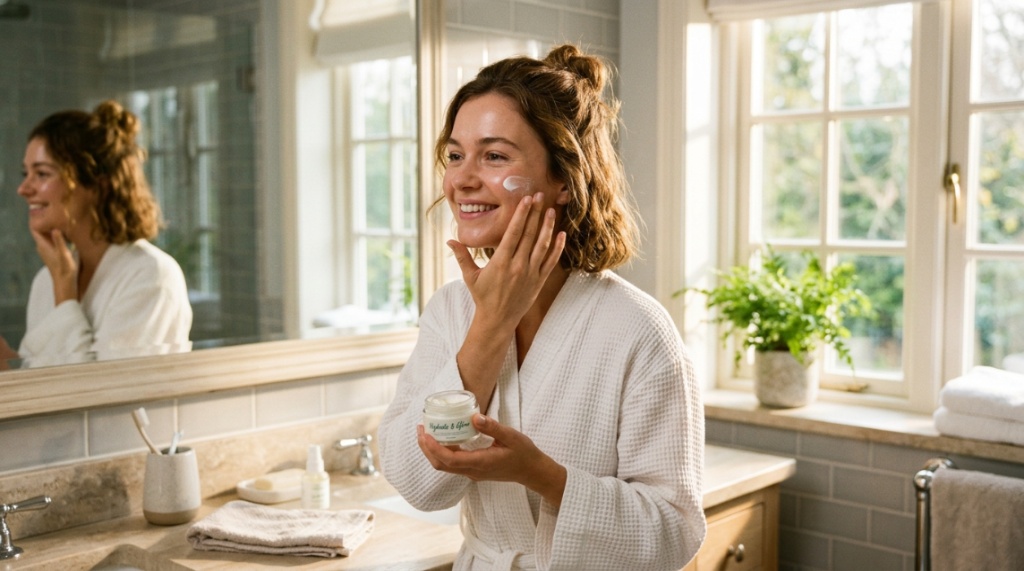
You stare at your bathroom shelf, confused by two small bottles promising the same thing: younger-looking skin. One is retinol, the powerhouse that dermatologists recommend for serious changes. The other is peptides, the gentler alternative that hydrates and repairs. Choosing wisely between retinol vs peptides depends entirely on your skin type, your tolerance, and your long-term goals. The wrong choice can waste months of effort. The right one transforms your skin without irritation
What Exactly Is Retinol and How Does It Work?
The Science Behind Retinol
Retinol is a derivative of vitamin A, and it works by accelerating cell turnover at a molecular level. When applied to skin, it converts into retinoic acid, which binds to receptors inside your cells. This signals your skin to shed dead cells faster and produce new ones more quickly. Dermatologists have called it the gold standard for anti-aging because it directly stimulates collagen production and thickens the deeper layers of skin over time.
The Visible Results You Can Expect
After consistent use, retinol can reduce fine lines, soften wrinkles, improve skin texture, and fade hyperpigmentation. Many users notice smoother pores and a more even skin tone within three to six months. However, patience is key. You won’t see dramatic changes overnight, but the long-term benefits are scientifically proven and well-documented across hundreds of clinical studies.
The Downsides You Must Know
Retinol comes with a notorious adjustment period often called “retinol uglies.” This includes redness, peeling, dryness, and sensitivity, especially during the first four to eight weeks. If you have sensitive skin or conditions like rosacea, retinol can worsen irritation. Sun sensitivity is another serious concern. Retinol makes your skin more vulnerable to UV damage, which means strict sunscreen use becomes non-negotiable.
What Exactly Are Peptides and How Do They Work?
Peptides Explained Simply
Peptides are short chains of amino acids that serve as building blocks for proteins like collagen and elastin. When applied topically, they signal your skin to produce more collagen, reduce inflammation, and repair the skin barrier. Unlike retinol, peptides do not accelerate cell turnover or cause peeling. Instead, they support your skin’s natural repair processes in a gentle, gradual way.
The Types of Peptides in Skincare
There are several types of peptides used in skincare. Signal peptides instruct skin cells to produce more collagen. Carrier peptides deliver trace minerals like copper to wound sites for healing. Enzyme-inhibitor peptides slow down collagen breakdown. Neurotransmitter-inhibitor peptides, sometimes called “Botox-like,” relax facial muscles to soften expression lines temporarily. Each type serves a different purpose, and many products combine them for maximum benefit.
Who Benefits Most from Peptides
Peptides are ideal for anyone with sensitive, reactive, or dry skin who cannot tolerate retinol. They work wonderfully for early signs of aging, especially if you want prevention rather than correction. Peptides also help during retinol adjustment periods by soothing irritation and strengthening the skin barrier. Many dermatologists recommend using both together, but that decision depends on your skin’s stability.
Which One Should You Choose for Your Skin Type?
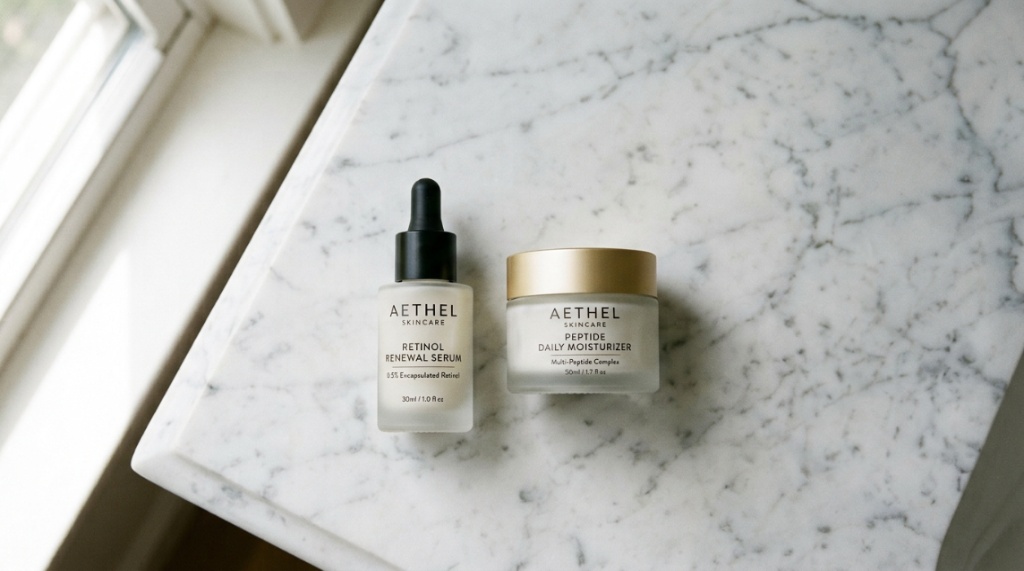
Oily and Acne-Prone Skin
Retinol is typically the better choice for oily and acne-prone skin. It helps unclog pores, reduces breakouts, and regulates sebum production. Peptides can also help, but they lack the pore-clearing power that retinol provides. If you have acne scars, retinol’s cell turnover acceleration can fade post-inflammatory hyperpigmentation faster than peptides alone.
Dry and Sensitive Skin
Peptides are almost always the safer option for dry and sensitive skin. They hydrate, repair the moisture barrier, and reduce inflammation without causing irritation. Retinol can strip already dry skin and worsen sensitivity. If you insist on using retinol, choose the lowest percentage available and buffer it with a moisturizer. Start with once per week and build up gradually over several months.
Mature and Wrinkled Skin
A combination approach works best for mature skin. Retinol tackles deeper wrinkles and thickens the dermis, while peptides provide steady collagen support and barrier repair. Many expensive anti-aging formulas include both ingredients because they complement each other. If you can tolerate retinol, use it at night and peptides in your daytime routine for optimal results.
How Do You Start Using Retinol Correctly?
Choose the Right Strength
Begin with a concentration between 0.25% and 0.5%. Avoid the temptation to start high. A 1% retinol can cause weeks of misery for beginners. Look for encapsulated retinol formulas that release slowly and reduce irritation. Granactive retinoid is a milder ester form that works well for first-time users because it converts more gently on the skin.
The Sandwich Method
Apply moisturizer first, then a pea-sized amount of retinol, then another layer of moisturizer on top. This buffers the retinol and significantly reduces irritation without sacrificing effectiveness. Do this every third night for two weeks, then every other night for another two weeks, and finally nightly if your skin tolerates it.
Never Skip Sunscreen
Retinol makes your skin photosensitive, meaning you burn faster and damage easier. Use SPF 50 every single day without exception. If you cannot commit to daily sunscreen, consider skipping retinol and using peptides instead. The sun damage you get from unprotected exposure will undo all the benefits retinol provides.
How Do You Incorporate Peptides into Your Routine?
Where Peptides Fit in Your Routine
Apply peptides after cleansing and before heavier moisturizers. Water-based peptide serums absorb best when applied to damp skin. If you use multiple serums, layer peptides before retinol or after vitamin C, depending on your product instructions. Many peptide products are pH-sensitive, so check the manufacturer guidelines for optimal timing.
Combining Peptides with Other Active Ingredients
Peptides pair well with hyaluronic acid, niacinamide, and ceramides. Avoid combining peptides with strong acids like AHAs or BHAs at the same time, because acidic environments can break down peptide chains and reduce effectiveness. If you use exfoliating acids, apply them at a different time of day or alternate days with your peptide serum.
Patience Is Still Required
Unlike retinol, peptides do not cause purging or peeling, but they also take time to show visible results. You may notice improved hydration and skin firmness within four to six weeks. Deeper collagen building takes three to six months of consistent daily use. Do not expect dramatic wrinkle elimination from peptides alone, especially if you have deep lines.
Can You Use Retinol and Peptides Together?
The Short Answer
Yes, you can use retinol and peptides together, but timing matters. Many dermatologists recommend using peptides in the morning and retinol at night. This allows each ingredient to work optimally without interfering with the other. Some modern skincare formulations combine both in one product with specialized delivery systems to keep them stable together.
The Risks to Avoid
Layering retinol and peptides together in the same routine can reduce peptide effectiveness if the pH is wrong. Retinol generally works at a pH around 5.5 to 6.0, while some peptides require a more acidic environment. If you use them together incorrectly, you may get less benefit from either ingredient. Always follow product-specific instructions rather than guessing.
A Simple Routine That Works
In the morning, wash your face, apply a peptide serum, follow with moisturizer and SPF. At night, double cleanse, apply a pea-sized amount of retinol, wait twenty minutes, then seal with a rich moisturizer. This routine gives you the collagen-boosting power of retinol plus the barrier-supporting benefits of peptides without conflict.
Which One Is Better for Anti-Aging?
Retinol Wins for Deep Correction
If you have moderate to severe sun damage, deep wrinkles, or significant sagging, retinol is the more powerful tool. Its ability to stimulate collagen at the nuclear level and accelerate cell turnover creates visible structural changes that peptides cannot match. Clinical studies show retinol can reduce wrinkle depth by up to 50% over twelve months with consistent use.
Peptides Excel for Prevention
If you are in your twenties or early thirties and want to maintain healthy skin, peptides are excellent for prevention. They support your skin’s natural repair processes without the harsh adjustment period. Peptides also work well for maintaining results after you achieve your desired skin improvements with retinol. Many people switch to peptide maintenance later in life.
The Cost-Benefit Tradeoff
Retinol is generally more affordable and researched. You can find effective retinol products for under twenty dollars. Peptides tend to be more expensive because the ingredient is costly to stabilize and formulate. When comparing retinol vs peptides on a budget, retinol gives you more proven anti-aging power per dollar, but peptides offer better tolerance for sensitive skin.
What Are the Most Common Mistakes People Make?
Using Too Much Product
More is not better with retinol. A pea-sized amount is enough for your entire face. Using extra does not speed results, but it does cause redness, peeling, and prolonged irritation. With peptides, over-application rarely causes serious problems, but it wastes expensive product without providing extra benefits.
Quitting During the Adjustment Period
Many people give up on retinol after two weeks of peeling and redness, thinking their skin is allergic. Actually, this reaction is normal and temporary. Using a gentle, fragrance-free moisturizer and backing down to once weekly application can help you push through. If irritation continues past eight weeks, switch to a lower percentage or try a peptide-based alternative.
Ignoring the Rest of Your Skincare
Neither retinol nor peptides can fix unhealthy habits. Poor sleep, high stress, a diet high in sugar, and smoking accelerate aging faster than any topical ingredient can reverse. Sunscreen, hydration, and consistent sleep are the foundations that make anti-aging ingredients work effectively. Do not expect miracles from a bottle if your lifestyle works against you.
When Should You Choose Peptides Over Retinol?
During Retinoid Intolerance
If you have tried retinol multiple times and each attempt results in prolonged redness, stinging, or breakouts, your skin likely cannot tolerate vitamin A derivatives. Peptides offer a gentler pathway to collagen support without the inflammatory response. Many people with rosacea, eczema, or very sensitive skin find peptides to be the only viable anti-aging option.
During Pregnancy or Breastfeeding
Retinol and all vitamin A derivatives are not recommended during pregnancy due to risks of birth defects at high doses. While topical application has minimal absorption, most dermatologists advise avoiding retinol entirely during pregnancy and breastfeeding. Peptides are considered safe and provide a worry-free alternative for maintaining skin health during this period.
When You Want Immediate Hydration
Peptides provide instant soothing and hydration benefits that retinol cannot match. If your skin feels dry, tight, or looks dull, peptides improve moisture levels within days. Retinol actually reduces moisture in the skin initially. If your primary concern is glow and hydration rather than deep wrinkle correction, start with peptides and consider adding retinol later.
What Does the Research Say About Long-Term Results?
Clinical Evidence for Retinol
Decades of peer-reviewed research support retinol as the most effective over-the-counter anti-aging ingredient. Studies consistently show statistically significant improvements in fine line count, wrinkle severity, skin roughness, and pigmentation after twelve to twenty-four weeks of use. The effects are dose-dependent, with higher percentages producing more dramatic results but also more side effects.
Just as building an effective skincare routine with active ingredients like retinol and peptides requires balancing quality and budget, finding affordable long-lasting fragrances ensures you can maintain your signature scent without overspending.
Clinical Evidence for Peptides
Research on peptides is newer and less extensive. Many studies are small or funded by brands with commercial interests. However, copper peptides in particular have demonstrated real wound-healing and collagen-stimulating benefits. The effects tend to be milder than retinol, but with virtually no side effects. Peptide research continues to evolve as formulators create more stable and effective peptide complexes.
Sustainability of Results
Both retinol and peptides require ongoing use to maintain results. If you stop retinol, collagen production gradually returns to baseline within three to six months, and wrinkles reappear at their previous depth. Peptide results also reverse when you stop using them, though the slower onset means a slower disappearance. Neither ingredient provides permanent changes, so consistency is essential for long-term benefits.
Frequently Asked Questions
Can retinol and peptides be used in the same routine?
Yes, but use peptides in the morning and retinol at night to avoid pH conflicts and irritation. This allows both ingredients to work effectively without interference.
Which is better for beginners, retinol or peptides?
Peptides are safer for beginners because they do not cause purging, peeling, or sun sensitivity. Beginners can start with peptides and later add low-dose retinol once their skin adjusts.
How long does it take to see results from retinol?
Most people notice smoother texture within four to six weeks, with visible wrinkle reduction appearing after three to six months of consistent nightly use.
Do peptides actually build collagen?
Yes, certain signal peptides and copper peptides have been shown to stimulate collagen production, though the effects are milder and slower than retinol.
Can I use retinol if I have sensitive skin?
You can try, but start with the lowest percentage (0.25%) and use the sandwich method. If irritation persists after eight weeks, switch to peptides as your primary anti-aging ingredient.
What happens if you stop using retinol?
Your skin gradually returns to its baseline collagen production rate over three to six months, and the anti-aging effects reverse unless you replace retinol with another collagen-stimulating ingredient.
Which ingredient is more affordable?
Retinol is generally more affordable with proven effectiveness. Peptides cost more to formulate and stabilize, making peptide products typically more expensive for comparable concentration levels.
Conclusion
Choosing between retinol and peptides does not have to be complicated. Retinol delivers powerful, proven results for those who can tolerate it and commit to sun protection. Peptides offer a gentle, hydrating alternative that supports long-term skin health without side effects. If your skin is hardy and you want visible anti-aging results, start with a low-dose retinol and build slowly. If your skin is sensitive or reactive or you need a safe option during pregnancy, peptides are your best friend. Many people eventually use both, reserving retinol for nighttime correction and peptides for daytime maintenance. Start with what matches your skin today, and adjust as your tolerance and goals evolve.