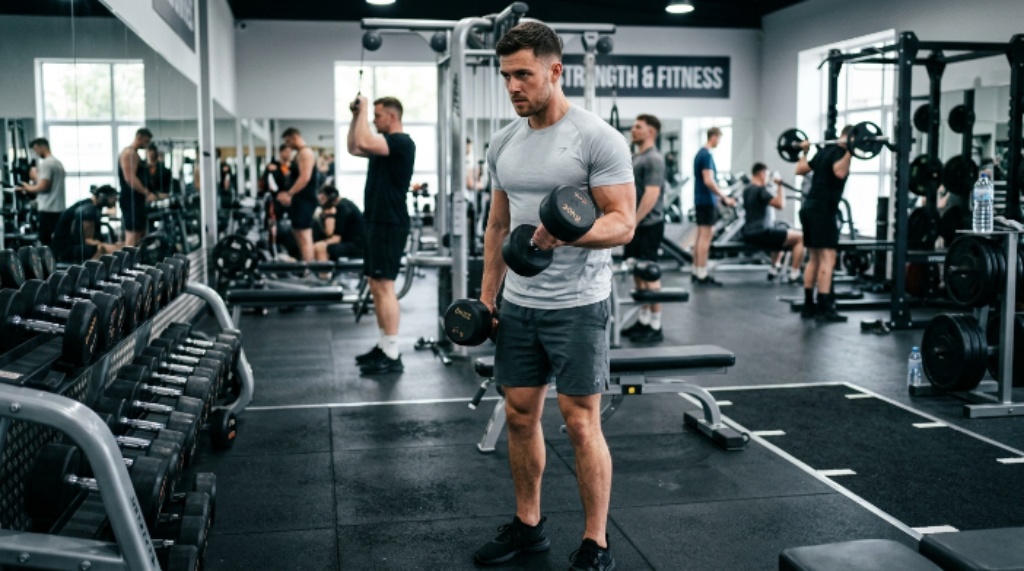
You push hard at the gym. You sweat. That is completely normal. However, what you wear during your workout can either help you or hold you back. A bad t-shirt clings to your skin, stays wet, and causes discomfort throughout your session. A great one keeps you cool, dry, and focused on your performance.
Choosing the right exercise t-shirt is simpler than it sounds. You just need to know what to look for. This guide covers everything from fabric technology to fit and care. Therefore, by the end, you will be confident in picking a shirt that works as hard as you do.
Why Your Workout Shirt Makes a Real Difference
Most people underestimate the role of their workout shirt. They grab whatever cotton tee is nearby and head to the gym. That approach leads to problems. Cotton absorbs sweat and holds onto it. This makes the shirt heavy, uncomfortable, and slow to dry.
A purpose-built exercise shirt behaves very differently. It pulls sweat away from your skin and moves it to the surface of the fabric. There, it evaporates quickly. This process keeps your skin dry and your body temperature regulated. As a result, you perform better and feel more comfortable throughout your entire workout.
Additionally, the right shirt reduces chafing and irritation. This matters most during high-movement activities like running, cycling, or circuit training. Therefore, your shirt choice has a direct impact on your experience and results.
Understanding Fabric Technology
The fabric is the most important factor in any exercise t-shirt. Different materials perform in very different ways. Knowing the basics will help you make a smarter choice every time.
Polyester
Polyester is the most common fabric in athletic wear. It is lightweight, durable, and excellent at managing sweat. The fibers do not absorb water the way cotton does. Instead, they push moisture to the outer layer of the shirt where it can dry quickly. Polyester also holds its shape well over time, even after hundreds of washes.
Nylon
Nylon is another strong performer. It is softer than polyester and has a slightly silkier feel against the skin. Nylon is also highly durable and resists abrasion well. However, it tends to cost a little more. For men who prioritize feel alongside function, nylon blends are worth considering.
Merino Wool
Merino wool is a natural fiber that surprises many people with its performance. It regulates body temperature exceptionally well. It also naturally resists odor, which makes it ideal for long sessions or travel workouts. However, merino wool shirts tend to be more expensive and require gentler care.
Blended Fabrics
Many exercise shirts combine two or more fibers to capture the best properties of each. A polyester-spandex blend, for example, gives you sweat management plus stretch. A polyester-cotton blend offers some softness while maintaining decent moisture control. Therefore, do not overlook blended options when you shop.
What Moisture-Wicking Really Means
The term moisture-wicking shirts appears everywhere in athletic apparel marketing. However, many shoppers are unsure what it actually means. Simply put, wicking is the process of drawing liquid away from one surface to another.
In a workout shirt, the inner surface of the fabric pulls sweat away from your skin. The moisture then travels through the fabric to the outer surface. There, it spreads out and evaporates. The entire process happens continuously throughout your workout.
Not all shirts labeled as moisture-wicking perform equally well. Some use a basic treatment that wears off after washing. Others use a structural weave that wicks naturally as part of the fabric construction. The second type lasts longer and performs more consistently. Therefore, check whether the wicking is a fabric treatment or a built-in property.
The Importance of Fit for Performance and Comfort
Fit is often just as important as fabric. An exercise shirt that does not fit well will limit your movement and reduce your comfort. There are three main fits to understand.
Compression Fit
Compression shirts sit very close to the body. They support your muscles and can improve circulation during intense activity. Additionally, they eliminate excess fabric that might get in the way during dynamic movements. However, some men find them too restrictive for casual or lighter workouts.
Athletic Fit
Athletic fit shirts are slightly relaxed but still tailored to the body. They move with you without clinging uncomfortably. This fit works well for most gym activities, from weight training to cardio. It is the most versatile option for the majority of men.
Relaxed Fit
Relaxed fit shirts offer more room throughout the chest, shoulders, and torso. They feel comfortable and unrestricted. However, excess fabric can trap heat and reduce the effectiveness of moisture management. Therefore, relaxed fit shirts are better suited to low-intensity activities or casual wear.
Features That Separate Good Gym Shirts from Great Ones
Beyond fabric and fit, several additional features can elevate your workout experience. When evaluating gym wear men often overlook these details, but they can make a meaningful difference.
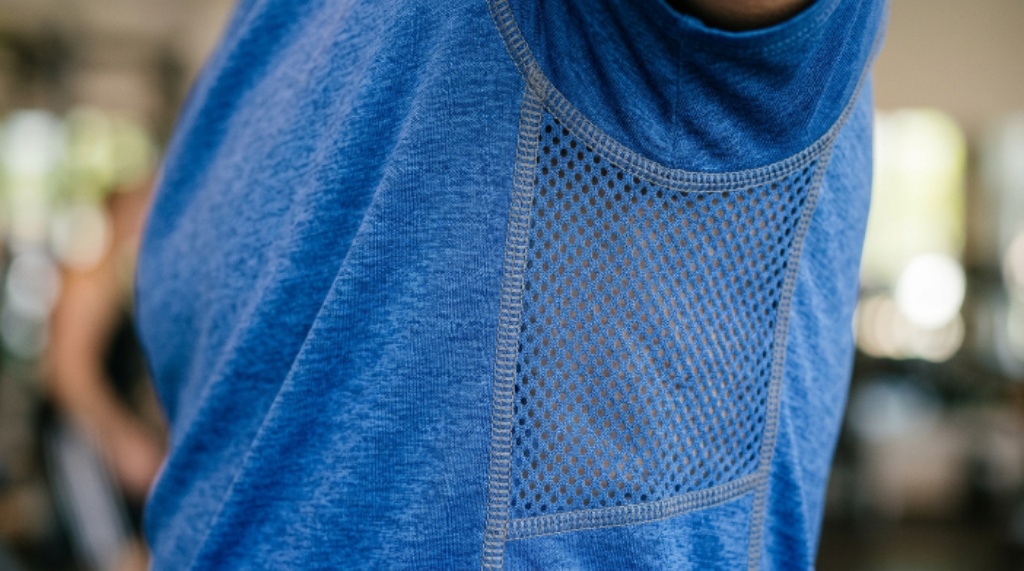
- Ventilation panels: Mesh inserts under the arms or across the back improve airflow significantly. They are especially useful for high-intensity sessions where heat builds up quickly.
- Flatlock seams: These stitching techniques lie flat against your skin instead of sitting raised. They prevent irritation and chafing during long or repetitive movements.
- Odor resistance: Some shirts include antimicrobial treatments or use naturally odor-resistant fibers like merino wool. This keeps you feeling fresher for longer, especially during extended workouts.
- UPF protection: If you exercise outdoors, a shirt with UV protection adds an important layer of sun defense without requiring sunscreen on your torso.
- Four-way stretch: This allows the fabric to move in every direction with you. It is particularly useful for exercises like yoga, rowing, or any activity with a wide range of motion.
How to Match Your Shirt to Your Workout Type
Different workouts place different demands on your clothing. Therefore, the best shirt for running may not be the best shirt for weightlifting.
For cardio activities like running or cycling, prioritize lightweight fabrics and strong moisture management. You will sweat heavily, so quick-dry performance is essential. A close-to-body fit also reduces wind resistance slightly during outdoor activities.
For strength training and weightlifting, you need freedom of movement and durability. A shirt that stretches well and holds its shape under tension is ideal. Compression fits are popular here because they support the muscles during heavy lifts.
For yoga or flexibility training, softness and stretch are the top priorities. Look for a four-way stretch fabric with a close but not restrictive fit. Additionally, a longer cut can prevent the shirt from riding up during inversions or floor work.
For outdoor exercise, UV protection and breathability become important. A shirt with UPF 30 or higher combined with good ventilation will keep you protected and comfortable even in warm weather.
Shopping Tips to Get the Best Value
You do not need to spend a lot to get a high-performing exercise shirt. However, there are a few smart shopping habits that will help you avoid poor choices.
Always read the fabric composition label before you buy. Look for synthetic or performance fibers. Avoid anything that is 100 percent cotton for intense workouts. Additionally, check whether the shirt has been treated for moisture management or if it wicks naturally through its construction.
Read customer reviews with your specific workout in mind. A runner and a weightlifter have different needs. Look for reviews from people who do what you do. They will give you the most relevant feedback on fit, feel, and durability.
Consider buying two or three of a shirt you love. Rotating between multiple shirts reduces wear on each one and extends their life. It also ensures you always have a clean, dry shirt ready for your next session.
How to Care for Your Exercise T-Shirts
Proper care dramatically extends the life and performance of your workout shirts. Many men wash their athletic wear incorrectly, which leads to fabric degradation and lost functionality.
- Wash after every use. Sweat and bacteria break down fabric fibers and odor-resistant treatments over time.
- Use cold water and a gentle cycle. High heat weakens synthetic fibers and can damage wicking properties.
- Skip the fabric softener. It coats the fibers and blocks moisture-wicking performance.
- Air dry when possible. A dryer’s heat degrades elastane and polyester over time.
- Turn shirts inside out before washing to protect the outer surface and any printed graphics.
Conclusion
Choosing the best exercise t-shirt does not have to be complicated. Start with the fabric. Look for performance synthetics like polyester or nylon that manage sweat efficiently. Consider fit based on your workout type, whether that means compression, athletic, or relaxed. Look for bonus features like flatlock seams, ventilation panels, and odor resistance.
Additionally, match your shirt to the demands of your specific activity. A runner needs different things than a yogi or a weightlifter. Shop smart by reading labels and reviews, and always care for your shirts correctly to protect your investment.
With the right exercise t-shirt, staying dry and comfortable throughout your workout becomes effortless. Your shirt should be one less thing to think about. Therefore, choose wisely and let your gear support your goals.
Frequently Asked Questions
1. Is polyester better than cotton for working out?
Yes, for most workouts, polyester outperforms cotton significantly. Cotton absorbs sweat and stays wet, making the shirt heavy and uncomfortable. Polyester moves moisture away from the skin and dries quickly. However, some men prefer a cotton blend for low-intensity activities where heavy sweating is unlikely.
2. How often should I replace my workout shirts?
With proper care, a quality exercise shirt can last one to two years for regular use. Signs that it is time to replace your shirt include permanent odor that does not wash out, fabric that no longer feels stretchy, or visible thinning and pilling. Rotating between multiple shirts helps each one last longer.
3. What does UPF mean on a workout shirt?
UPF stands for Ultraviolet Protection Factor. It measures how much UV radiation the fabric blocks. A shirt with UPF 30 blocks around 97 percent of UV rays. This is especially important for men who exercise outdoors. Additionally, a tightly woven, darker-colored fabric generally provides better UV protection.
4. Can I wear a regular t-shirt to the gym?
You can, but it is not ideal. A regular cotton t-shirt will absorb sweat and feel heavy within minutes of a moderate workout. It will also dry very slowly. Therefore, while it works in a pinch, a purpose-built exercise shirt will give you a noticeably more comfortable and effective workout experience.
5. Are compression shirts worth it for casual gym-goers?
Compression shirts offer real benefits like muscle support and reduced vibration during movement. However, for casual gym-goers, an athletic-fit shirt is usually sufficient and more comfortable. Compression fits are most beneficial during high-intensity training or endurance activities. Therefore, base your choice on how intensely and how frequently you train.
Related Topics:
Hyperbaric Oxygen Therapy, Successful Treatment From Cheltenham Spa