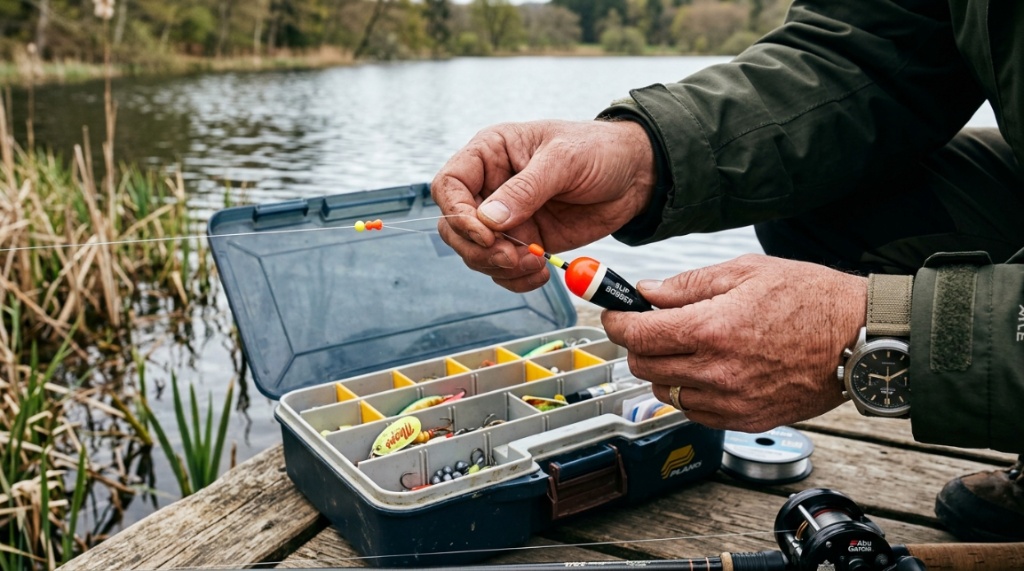
You’ve been sitting on the bank of Lake Lanier for twenty minutes without a single nibble. The sun is bearing down, the bass are likely holding deep, and your line hasn’t moved. Sound familiar? The problem isn’t the fish—it’s your ability to see the subtle strikes happening below the surface. In Georgia, where waters range from tannic swamps to clear mountain reservoirs, visual detection is critical. The solution lies in mastering the float. This guide explains exactly how to use bobbers to detect bites, Georgia style, turning passive waiting into active, successful fishing.
Why Bobbers Are Essential for Georgia Anglers
The primary reason to use a bobber is simple: it transfers underwater action into a visible, 3D signal on the surface. In Georgia’s diverse environments—from the stained water of the Altamaha River to the deep clarity of Lake Blue Ridge—bobbers provide the earliest possible indication of a strike, often before the fish even fully takes the bait.
The Science Behind the Strike Signal
When a fish inhales your bait, it creates a change in water displacement. The bobber reacts to this micro-pressure wave. A sensitive bobber will twitch, dip, or slide sideways a fraction of a second before you feel the weight on your line. This early warning gives you the crucial time needed to set the hook effectively, particularly when using light line or fishing for finicky crappie.
Reading the Water Conditions
Georgia waters are not uniform. A heavy, round plastic bobber works well in windy conditions on West Point Lake, but it creates too much resistance and drag in a slow-moving creek like the Chattahoochee tailwater. You must match the bobber’s buoyancy and shape to the current speed and wave action to ensure you are detecting bites, not kelp or current drag.
The Versatility Factor
Whether you are targeting bluegill with worms in a farm pond or tossing live herring for stripers on the Savannah River, the bobber is the universal translator. It allows you to suspend bait at a precise depth, keeping it in the strike zone longer. This is far more effective than letting bait sink to the bottom where you might miss the subtle bites of smaller panfish.
What Is the Best Bobber Type for Georgia’s Diverse Habitats?
There isn’t a single “best” bobber, but there is a best type for each scenario. For still-water ponds and lakes, the classic round red-and-white bobber is acceptable, but for serious bite detection, you need slim, sensitive models or weighted inline spools. Before heading out to coastal areas or deeper currents where standard rigging won’t hold, make sure your vessel is fully secured by choosing to buy durable anchor rope for Florida waters.
Comparing Round vs. Slip Bobbers
Round bobbers are fixed, easy to cast, and highly visible, but they create resistance that can spook wary fish. Slip bobbers, however, slide up and down your line and allow for much longer casts and deeper presentations. In Georgia’s deep reservoirs, a slip bobber is superior because it lets you present bait at 15 to 20 feet while still having a sensitive bite indicator on the surface.
Thill Style Pencil Floats
Pencil floats, or “Thill” style floats, are exceptionally sensitive. Because they have a very thin body, they offer less water resistance. A subtle crappie bite will visibly lower the float in the water or cause it to tilt, making it perfect for the heavily pressured fish in Georgia’s public lakes like Jackson or Oconee. They are the go-to choice for serious bobber-detect-bite Georgia techniques.
Weighted Bobbers for Windy Conditions
Georgia winds can pick up in the afternoon, creating chop on lakes like Allatoona. In these conditions, a weighted bobber (one that sits low in the water) is essential. The weight keeps the bobber upright and stable, ensuring that only actual fish bites create movement, rather than waves lapping against the side of the float.
How Do You Rig a Bobber for Maximum Sensitivity?
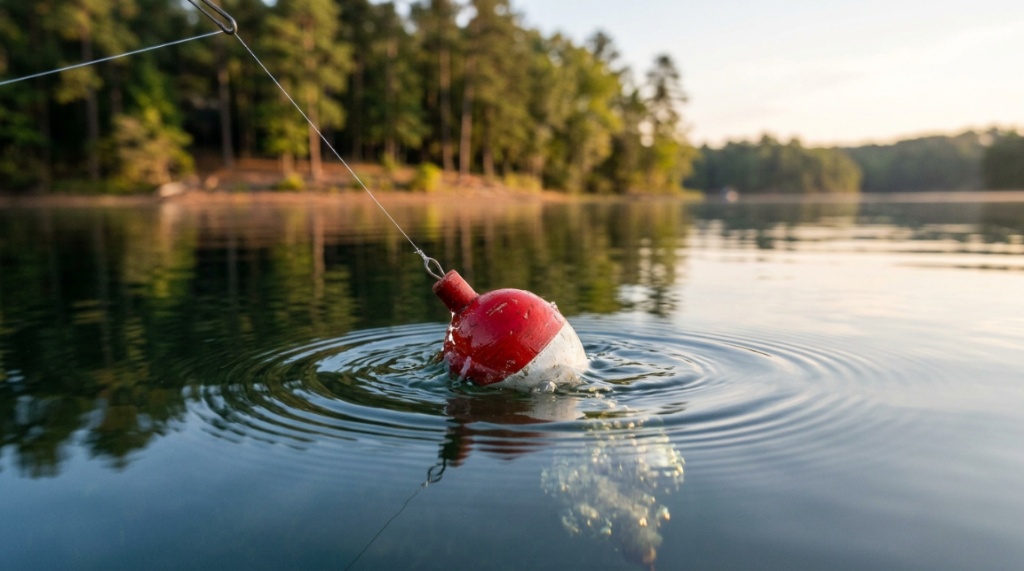
To maximize sensitivity, you must eliminate line twist and ensure the bobber is positioned correctly relative to your weight. A common mistake is using too much weight, which causes the bobber to be pulled under by the sinker rather than tilted by the fish.
Step-by-Step Rigging Process
- Thread the line: Run your main line through the bobber’s spring or clip. If using a slip bobber, attach the bobber stop first.
- Add split shot: Place a small split shot 12–18 inches above the hook. This provides casting weight but doesn’t impede the bobber’s movement.
- Adjust depth: Set the bobber so the bait floats just above the submerged structure or vegetation.
- Test the buoyancy: In the water, the bobber should sit at roughly a 45-degree angle. If it lies flat, it’s too heavy; if it stands straight up, remove a split shot.
The Importance of Sliding the Line
Many fixed bobbers have a peg that goes through the top hole. Ensure the line slides freely through this peg. If the line is pinched, you will not get accurate bite detection; instead, the fish will feel the weight of the bobber immediately and drop the bait before you can react.
Adjusting for Depth Control
In Georgia rivers like the Flint, current can push your line, making depth control tricky. Use a heavier bobber to cut through the current, but remember that heavier bobbers are less sensitive. You must find the sweet spot between staying in place and detecting the bite. A general rule is to use the smallest bobber that still allows you to fish the current effectively.
When Should You Set the Hook with a Bobber?
Timing is everything. In 2026, anglers are moving away from the old “wait for it to go under” mentality. Modern techniques dictate that you must read the initial movement of the bobber to be successful with panfish and crappie.
Reading the “Dip” vs. The “Drift”
Fish often inhale the bait and swim up, causing the bobber to slide sideways or lay flat. This is a critical signal. If the bobber just drifts with the wind, it’s not a bite—it’s current. Look for a sharp, downward “dip” or a sudden lateral “shoot” across the water. That lateral movement is the fish swimming away with the hook.
The “Barely Breaks the Surface” Bite
Sometimes, particularly with bream, the bite is so light that the bobber only hesitates or rises slightly. This is the hardest bite to detect. Watch for a change in the wake behind the bobber or a slight pause in its bobbing rhythm. If the bobber stops bobbing in sync with the waves, set the hook immediately.
Setting the Hook Fast
Georgia’s aggressive bass usually take the bait and run, pulling the bobber under violently. However, for catfish and crappie, you often have a 1–2 second window. As soon as you see the bobber move against the current or wind pattern, snap your wrist back firmly. Do not pull up violently; a quick, sharp hookset is all that’s needed to drive the small hook home.
Which fish in Georgia respond best to bobber fishing?
While you can catch almost anything on a bobber, certain Georgia species are uniquely suited to this presentation. The visual strike is often the most effective way to target these specific fish.
Crappie in Lake Lanier and West Point
Crappie are notorious for lightly tapping bait. They will take a minnow and spit it out in a split second. Using a small, sensitive slip bobber with a jig or minnow is the deadliest method. The bobber allows you to suspend the offering at the exact depth the crappie are holding, usually near brush piles.
Bream and Bluegill in Farm Ponds
In private ponds across Georgia, bluegill are aggressive. A small red-and-white bobber with a worm will get hammered. However, don’t set the hook too hard; these fish have soft mouths. A steady pull is better than a hard jerk to prevent ripping the hook through their lip.
Largemouth Bass and Bream Popping
Using a large, hollow plastic float or a “popping cork” can attract bass to the surface. While not a classic bobber, a popping cork is a form of bobber that generates sound. In the early morning on Lake Seminole, popping a cork to create a disturbance, then letting it sit still, mimics a struggling baitfish and draws explosive bites.
How Can You Adapt Bobber Techniques for Georgia’s Seasons?
Seasonality drastically changes how fish feed in Georgia. Adjusting your bobber strategy based on water temperature is crucial for year-round success.
Spring and Fall: The “Bite Window”
During the spring spawn (March-May) and fall feed (September-November), fish are aggressive. They are often in shallow water. You can use heavier bobbers and larger baits because they are actively hunting. During these times, you don’t need the highest sensitivity; you need to cover water quickly.
Summer: The Deep Water Challenge
Summer in Georgia means heat and deep thermoclines. Fish move to deeper structures. This is where slip bobbers become vital. You need to fish at 15-20 feet. The bobber allows you to suspend bait over the deepest cover without getting hung up. Sensitivity is key here because bass are sluggish and bite softly.
Winter: The Dead Stick Technique
Winter fishing in Georgia can be painfully slow. You must let the bobber sit perfectly still. Use a micro bobber with a dead minnow. The bites are so subtle that the bobber will often only rise slightly out of the water. You must be looking directly at the float at all times. Any movement, no matter how slight, is a bite.
Can You Use Bobbers for Trolling in Georgia Lakes?
Absolutely. Trolling with bobbers is a game-changer for covering water and finding active fish, especially on large lakes like Clarks Hill or Hartwell. This technique uses balloon or planer boards with inline bobbers to spread lines away from the boat.
The Balloon Method
Balloons are cheap and serve as excellent bobbers for trolling. They float high and offer almost no resistance when a fish takes the bait. You slip the inflated balloon over the line to let the bait strip out. When a fish bites, the balloon pops or drags underwater, signaling the strike.
Inline Planer Boards
While technically not a bobber, inline planer boards act as a visual strike indicator. They dive to the side and dip when a fish hits. Combining a planer board with a small bobber stop allows you to see the bite from a distance, which is essential when trolling shallow flats for hybrid bass.
Sensitivity at Distance
When trolling, you are often 50+ yards away from your bait. Standard bobbers are too small to see. Consider using a larger, high-viz orange or chartreuse bobber. The key is that the bobber must be large enough to see at a distance but small enough that it doesn’t create so much drag that it pulls your bait away from the trolling speed.
What Common Bobber Mistakes Should Georgia Anglers Avoid?
Even experienced anglers make mistakes that cost them bites. Correcting these errors can instantly improve your hookup ratio.
Over-Weighting the Line
The number one mistake is adding too many split shots. If the bobber is standing straight up and the line below is taut, the fish will feel resistance. The bobber should rest slightly angled, putting minimal tension on the bait. This allows the fish to swim with the bait without feeling the bobber’s weight.
Incorrect Depth Setting
If your hook is too high or too low, you won’t catch fish. You must know the depth of the water. If you are fishing a drop-off in Lake Oconee and your bait is floating 5 feet over the fish’s heads, they won’t rise to it. Adjust until you are “ticking” the bottom or just above the vegetation line.
Ignoring the Wind
East Georgia winds can cause your bobber to drift faster than your bait. This drag moves the bait unnaturally. Use a heavier bobber or attach a tiny keel weight below the bobber to keep it anchored. Alternatively, “bow and arrow” cast into the wind to keep slack in your line, allowing the bobber to sit naturally.
Essential Tips for Night Fishing with Glow Bobbers
Georgia summers are brutally hot, making night fishing the best option. Glow bobbers allow you to fish effectively in the dark, utilizing the same visual cues you use during the day. The key to night fishing is relying on the “knock” of the bobber rather than the visual “dip.”
Choosing the Right Glow Stick
You have two options: chemical light sticks or LED rechargeable floats. LED floats are superior in 2026 because they are reusable and brighter. Insert the light into the bobber after casting to avoid tangling the line. The light attracts baitfish, which in turn attracts predators.
Reading the Light Signature
At night, you cannot see the bobber dip, but you can see the light disappear. If the light goes out, fish on. Additionally, if the light seems to move erratically against the current, a fish is swimming with the bait. You only have a second or two to set the hook before the fish spits out the lure.
Targeting Nocturnal Feeders
Catfish and big stripers feed heavily at night in Georgia. Use a large glow bobber with a heavy chunk of cut bait or a lively bream. Cast into the shallow flats near deep drop-offs. The glow attracts the bait, and the bait attracts the big fish. This is where years of experience with bobber detection bites and Georgia tactics truly pay off.
Advanced Techniques: Micro-Bobbers for Finicky Panfish
If you are targeting trophy shellcracker in Lake Blackshear, you need a micro-bobber. These tiny floats are about the size of a pencil eraser. They are designed for one purpose: detecting ultra-light bites that larger bobbers completely ignore.
The Setup
Use a 1/16 ounce jig head tipped with a single wax worm. Suspend this under a micro-bobber. The bobber should be fished absolutely statically. Flick it occasionally. The finicky bite will often show as just a slight “vibration” on the bobber, not even a dip. If the micro-bobber trembles, set the hook.
Frustration Factor
This technique is frustrating because you will have many false alarms from wind and small debris. But the payoff is catching fish that others miss. It’s a reactive fishing style. Your mind must be entirely focused on that tiny piece of foam. If you find yourself daydreaming, you will miss 90% of the bites.
When to Use It
Use micro-bobbers on calm, sunny days when fish are suspended near the surface but not actively feeding. In the spring, when panfish are spawning, they often hit out of reflex, and the micro-bobber is the only way to detect that quick “puff” of water displacement.
Frequently Asked Questions
What is the best bobber color for Georgia waters?
For stained water, use bright orange or chartreuse. For clear water, use neutral colors like white or clear. Visibility is the primary concern; the bobber must contrast with the water surface and the sky to be seen.
How much weight should I put below the bobber?
Barely enough to cast and sink the bait. The line between the bobber and the hook should remain almost slack. Start with zero weight and add a single split shot only if you are missing casting distance.
Can I use a bobber in heavy current?
Yes, but you must use a “slider” or weighted float. In a heavy current, traditional round bobbers are pulled under. A heavy, drift-fishing float with a keel will stay upright and prevent your bait from dragging on the bottom.
Is a bobber better than bottom fishing?
Bobbers are better when the fish are in the middle or upper water column. Bottom fishing is better for catfish in cold water. Bobbers offer less snagging in weedy areas and provide immediate visual feedback, which is often more engaging.
How do I prevent tangles when casting a slip bobber?
Use a bobber stop that is not too thick. When casting, hold the slip bobber against the rod handle with your finger to prevent it from sliding down and tangling with the hook. Place the bait at the exact trigger point for accurate casts.
What kind of line is best for bobber fishing?
Monofilament is best because it floats and helps keep the bobber upright. Braided line sinks, which can pull the bobber sub-surface. Fluorocarbon is too stiff and creates too much memory for the bobber to slide.
Do I need to use a sinker with a bobber?
It depends on the wind. In calm conditions, no sinker is needed. In a breeze, a small split shot 12 inches above the hook will keep the bait in place and help the bobber resist drifting.
Conclusion
Mastering the bobber transforms passive waiting into an active, engaging strategy. By understanding the subtle differences between a water drift and a fish inhaling your bait, you elevate your angling skills in every Georgia lake and river. Start with a sensitive slip bobber for depth, switch to micro-floats for panfish, and don’t be afraid to use weighted floats in the wind. The bobber is not just a floating piece of plastic—it is your eye underwater. Apply these techniques on your next trip to Lanier, Oconee, or the Chattahoochee, and you will notice a significant increase in your hookup rate. Now, gear up and let that bobber do the talking.