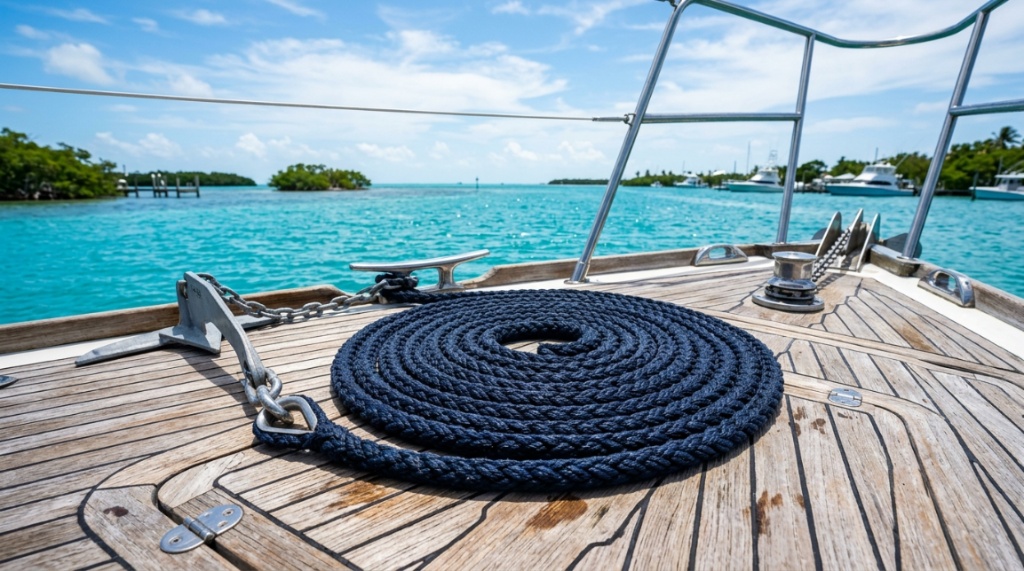
Picture this: you’ve found the perfect sandbar off In Key West, the water is glass-calm, and you cut the engine to drop anchor. But as the line plays out, you feel a rough spot—a frayed section that makes your stomach drop. In Florida, the sun, salt, and sharp limestone can destroy cheap rope in a single season. The problem is real: most boaters buy rope based on price, not longevity, and end up replacing it every year. You need a line that laughs at UV rays, shrugs off abrasion, and holds fast when a summer squall rolls through. Let’s cut through the marketing hype and figure out exactly how to choose a durable anchor rope for Florida that will last for years, not just one weekend.
What Makes Anchor Rope “Durable” in Florida’s Unique Environment?
Durability in Florida isn’t just about tensile strength; it’s about resistance to the specific environmental attackers found here. A rope that survives a Maine summer might disintegrate in a Miami salt marsh. You need a line engineered to withstand UV radiation, saltwater degradation, and physical abrasion from sand and coral.
The Three Hidden Enemies of Marine Rope
First is UV radiation. The intense Florida sun breaks down polymer chains in nylon and polypropylene, making them brittle and weak. Second is salt crystal growth—as saltwater dries inside the rope fibers, it acts like tiny shards of glass, cutting the rope from within. Third is bottom composition. Florida’s bottoms range from sugar sand to jagged limestone and coral rubble, which can saw through standard three-strand line quickly.
Why Thickness Alone Doesn’t Equal Durability
Many buyers assume a thicker rope is automatically more durable. While a larger diameter does offer more surface area for wear, the material and construction method matter far more. A 5/8-inch nylon rope with a standard twist will wear out faster than a 1/2-inch double-braid polyester rope. The braided cover protects the core, which is where the tensile strength lies.
The “Stretch” Factor: Nylon vs. Polyester
Nylon has the best elasticity for shock absorption—critical when your boat bobs on a choppy sea. However, nylon absorbs water and loses 10-15% of its strength when wet. Polyester is UV-resistant and doesn’t stretch as much, making it better for permanent moorings. For a primary anchor line in Florida, you need a blend or a specific construction that maximizes both elasticity and UV resistance.
What Is the Best Rope Material for Florida Anchor Lines?
For recreational boating in Florida, **nylon** remains the gold standard due to its superior shock absorption, but you must buy a premium, marine-grade nylon with a tight weave or braid. Avoid polypropylene for anchoring; it floats, which is bad for holding power, and degrades rapidly in sunlight.
3-Strand Nylon: The Old Reliable
If you’re on a budget, a high-quality 3-strand nylon is still a solid choice. Its twisted construction allows it to stretch up to 30% under load, making it forgiving on the anchor cleat. However, this same twisting creates peaks that wear down quickly when rubbing against the seabed. You’ll need chafe guards where the rope runs through the bow roller.
Double-Braid Nylon: The Premium Upgrade
This construction features a braided core inside a braided cover. It’s smoother, easier on winches, and offers roughly 20% more strength than a 3-strand of the same diameter. The tight outer braid also protects the core from UV and abrasion, making it a better long-term investment for Florida’s harsh sun. It doesn’t kink like 3-strand, which is a huge plus when deploying anchor rode.
Polyester Blends: When Boats Are Moored Long-Term
If you leave your boat on a mooring ball for weeks at a time, consider a polyester or polyester/nylon blend. Polyester holds its strength when wet and is almost impervious to UV damage. The downside is reduced elasticity—your boat will jerk more at anchor. For most weekend warriors, a premium nylon double-braid is the optimal “do-it-all” material.
Which Rope Construction Provides the Most Abrasion Resistance?
When scraping against limestone ledges or coral patches, the rope’s surface structure determines its lifespan. A smooth, tightly braided cover offers superior abrasion resistance compared to a loose, twisted rope. If you are preparing for your next outdoor excursion further north, make sure to check out our guide on how to pick the best rope for PA hunting to handle rugged terrestrial terrain and gear hauling.
Comparing Weave Patterns for Seabed Contact
In a side-by-side test, double-braid constructions outlast 3-strand rope by a factor of 2:1 in rough conditions. The cover acts as a sacrificial layer, shielding the core from damage. The 8-strand plaited rope is also excellent—it’s round, flexible, and resists crushing, but it can be harder to splice.
The Role of Tension in Wear Patterns
Rope that sits slack on the bottom will roll around and grind into the sand. Rope that is kept taut (using a snubber) lifts off the seabed slightly, avoiding the “sawing” action. Even the “strongest rope” will fail if you let it drag across oysters. Using 20 ft. of chain is the best way to prevent bottom abrasion.
Chafe Guards: A Cheap Insurance Policy
No matter how good the rope is, the point where it passes through the bow chock is your #1 wear point. Buy a cordura or leather chafe guard sleeve for that section. This 20-dollar accessory can extend your rope’s life for years.
How Thick Should Your Anchor Rope Be? (Diameter Guide)
The correct diameter is determined by the boat’s windage and weight, not the length of the boat. A general rule is 1/8 inch of rope diameter for every 9 feet of boat length, but this is a bare minimum. In Florida, where squalls are sudden and violent, going one size up is a smart move.
Boat Length vs. Rope Diameter Chart
| Boat Length (ft) | Minimum Diameter (inches) | Recommended Diameter (inches) |
|---|---|---|
| Under 20 ft | 1/4″ | 5/16″ |
| 20–30 ft | 5/16″ | 3/8″ |
| 30–40 ft | 3/8″ | 1/2″ |
| 40–50 ft | 1/2″ | 5/8″ |
Why Bigger Is Often Better in Shallow Water
In the Florida Keys, you often anchor in 6-10 feet of water. If your rope isn’t thick enough, the weight of the boat creates more strain because there isn’t a long length of rope to absorb the shock. A heavier rope also sinks better, which keeps the line closer to the bottom, creating a better angle for the anchor to dig in.
Breaking Strength: The 5:1 Safety Ratio
Always look at the breaking strength, not the working load. You want the breaking strength to be at least 5 times the weight of your boat. A 10,000 lb. boat needs a rope with a breaking strength of at least 5,000 lbs., but realistically, you’ll want closer to 10,000 lbs. for peace of mind.
How Long Should Your Anchor Rode Be for Florida’s Waters?
Your anchor rode (the line plus chain) should be at least 7:1 for a day trip and 10:1 for overnight stays. Since Florida is shallow in many places, you don’t need an enormous amount of rope, but you always need enough scope.
Calculating Scope: Depth vs. Length
If the water is 10 feet deep, and your bow is 3 feet above the water, your total depth is 13 feet. At a 7:1 scope, you need 91 feet of rod. At 10:1, you need 130 feet. Therefore, a 150-foot anchor line with 15-20 feet of chain is the most versatile standard for a 25-30 ft boat.
The Importance of a Chain Leader
Never attach rope directly to the anchor. Always use 15 to 20 feet of galvanized or stainless chain. This weight holds the shank down so the anchor digs horizontally. It also prevents the rope from chafing on the sharp edges of the anchor and the seabed.
Marking Your Road
Paint a small mark or tie a colored whip every 25 feet. This allows you to know exactly how much line you have out without counting. In murky Florida water, this simple practice prevents anchoring in spots where the bottom is too deep to hold effectively.
Can You Use a Dock Line as an Anchor Rope?
No. Dock lines are designed to be static—they don’t stretch. Anchor rope must stretch to absorb the boat’s motion. Using a static dock line for anchoring can cause the anchor to yank out of the bottom or break your cleats during wave action.
The Difference in Stretch Dynamics
Dock lines are typically made of twisted nylon for high tensile strength but minimal elasticity. While they are nylon, they lack the “working stretch” needed for anchoring. An anchor line is manufactured with a looser twist or a special braid that permits up to 20% elongation under heavy load.
When It Absolutely Fails
If you use a dock line in rough conditions, the sudden shock loads transfer directly to the anchor. The anchor, which relies on steady pull, will pop out of the mud. Once the anchor pops, you’re adrift. This is a leading cause of groundings in Florida’s intracoastal waterway.
Invest in Rope Marked “anchor line.”
Look for rope specifically labeled as “anchor line” or “anchor rode.” These products have the exact balance of stretch, UV resistance, and abrasion resistance. They might cost a bit more, but they are engineered to save your boat.
When Should You Replace Your Anchor Rope?
Even a high-quality rope has a lifespan. In Florida’s extreme conditions, you should inspect your line every 60-90 days, not just once a year.
Visual Signs of UV Damage
Run the rope through your hands. If it feels “fuzzy” or has a powdery white residue, the UV rays are breaking down the fibers. Look for faded color and stiff, brittle texture. A damaged rope will have sections that are permanently deformed.
The “Coring” Test for Internal Wear
Twist the rope against its lay. If you see white powder or bits of broken inner filaments, the core is degrading. Even if the outside looks fine, the core might be dust, meaning a catastrophic failure is imminent. This is common in 3-strand ropes over 3 years old.
The Standard 3-Year Rule
Unless you keep the rope in a dark, covered locker, plan to replace it every 3 years max. In Florida, where UV exposure is constant, 2 years is more realistic. Write the purchase date on the cleat with a marker; you’ll thank yourself later.
Does Color Matter for Anchor Rope Longevity?
Yes, color isn’t just aesthetic—it directly impacts the rope’s lifespan. Dark colors like black and navy absorb more UV radiation, heating the polymer and accelerating degradation. Light colors like white or yellow reflect UV rays, extending the rope’s life by up to 40%.
Why White and Light Tan Are Best
White rope is chemically bleached, which can slightly reduce initial strength, but the UV reflection is worth it. A natural tan or light yellow-colored rope also performs well. Avoid bright reds and greens if you plan on using the rope in direct sunlight for extended periods.
The Disadvantages of Dyed Rope
The dyeing process itself can create micro-fractures in the fiber. This is not an issue for mooring lines, but for an anchor line under high load, it’s a downside. If you must have a colored rope, opt for a “filament-dyed” type where the color is embedded in the polymer, rather than a surface paint.
Visibility for Safety
From a safety standpoint, a bright yellow or orange rope is easier to see on the water. This helps prevent other boaters from running over your anchor line when you’re stopped on a sandbar. In this case, a light yellow is the best compromise.
Where to Buy Premium Rope in Florida
Local marine stores are great for emergency purchases, but online suppliers often have a better selection of specialty anchor lines. When searching, look specifically for “marine-grade” and “UV-inhibited” in the description. Reading reviews from other Florida boaters is incredibly helpful—they know the local conditions.
For a detailed comparison of cost vs. quality, you should check out this resource on the durable anchor rope for Florida. It covers specific budget-friendly brands that are tested for saltwater.
How to Maintain and Store Your Anchor Line to Maximize Lifespan
Proper maintenance is as important as the initial purchase. Rope that is rinsed and dried lasts twice as long as rope left in a wet pile.
Rinsing Protocol for Salt Removal
After every outing, rinse the entire rope with fresh water. Use a hose, not a high-pressure washer, which can force salt crystals deeper into the fibers. Let the rope dry in the shade—do not dry it in the direct Florida sun, as this defeats the purpose.
Storage Techniques to Prevent Mildew and Rot
Coil the rope loosely and store it in a ventilated bag or crate. Even nylon can grow mildew if stored wet for weeks, which weakens the tendon and makes the rope smell. Do not store near solvents, oil, or battery acid—all common in boat lockers.
The “End for End” Rotation Trick
Twice a year, flip the rope around—use the end that was attached to the anchor as the bittter end. This distributes wear along the entire length. It’s a free trick that significantly extends the rope’s useful life.
What Are the Top Brands Recommended by Florida Charter Captains?
Charter captains put hundreds of hours on their gear and know what holds up. Leading brands include New England Ropes, Yale Cordage, and Samson. For a budget-friendly option, Yifa Rope offers a specialized series for anchor use.
New England Ropes: The Gold Standard
Their nylon line is specially treated for marine environments and has a great reputation for resisting chafe. Their “Lashit” line is a favorite for its soft hand and high elasticity.
Samson: The Professional’s Choice
Samson’s AmSteel-Blue is an ultra-high-molecular-weight polyethylene (UHMWPE), but they also have top-tier nylon double braids. They are known for rigorous quality control, ensuring every batch meets strength specs.
Yifa Rope: The Value Proposition
Yifa offers excellent strength and UV resistance at a more accessible price point. Their “Braided Anchor Line” is designed to match the exact specs of the premium brands, which makes them a smart pick for the budget-conscious boater.
Reading the Label: Testing Standards
Ensure the rope has a label stating it meets or exceeds marine standards. Look for no splice loss guarantees. If the seller doesn’t provide a tensile strength chart, that’s a red flag.
Can You Splice Anchor Rope, or Should You Tie Knots?
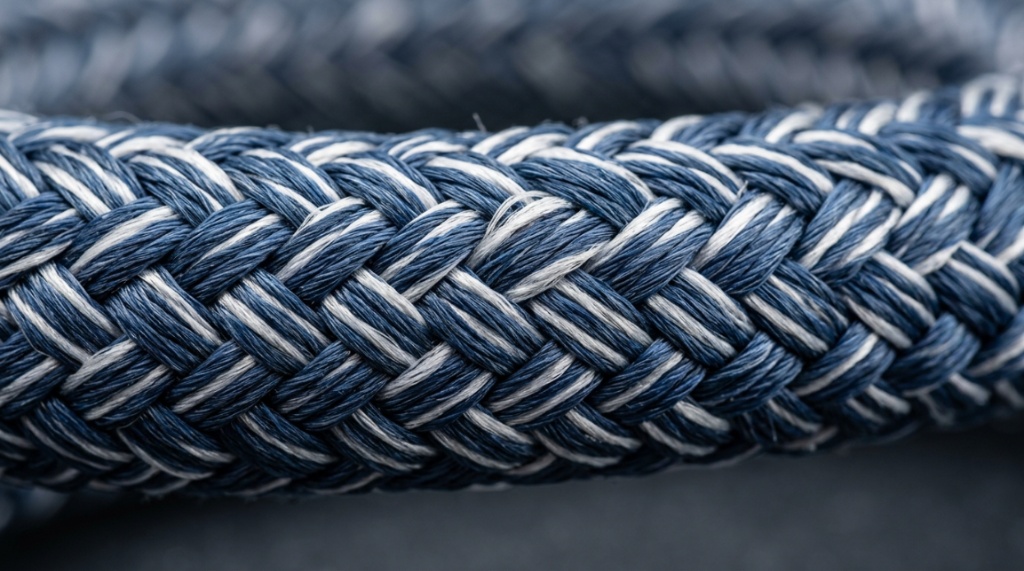
Always splice an anchor rope to the chain. A splice retains 100% of the rope’s strength, while a knot can reduce it by up to 50%. Since Florida anchoring often relies on maximum strength, learn a simple chain splice.
Learning the Back Splice
For 3-strand rope, you can do a simple back splice or eye splice around a thimble. For double-braid, you need to learn the “locked Mohawk” splice, which is complex but doable with a good tutorial video. If you’re not handy, ask your marine store to do it—often they do it for free with purchase.
The Dangers of Common Knots
The “anchor bend” knot is popular but reduces rope strength by 40%. Over time, the knot tightens and becomes impossible to undo, requiring you to cut the rope. This wastes yards of material and creates a point of weakness every time you tie it.
When To Use a Thimble
Always place a stainless steel thimble inside your eye splice that attaches to the chain. This prevents the rope from rubbing against the sharp galvanized chain links. It’s a small cost that prevents the splice from weakening.
What Is the Total Cost of a Quality Anchor Rode Setup?
Expect to pay between $60 and $200 for a high-quality anchor line of adequate length for a 25-foot boat. You will also need 20 feet of chain and a shackle, so the total is closer to $150–$300.
Breaking Down the Price Per Foot
Generic 3-strand nylon costs around $0.50 per foot. Premium double-braid runs $1.50–$2.50 per foot. This difference is justified—the premium line lasts 3 times longer in UV conditions, so you save money in the long run.
The Cost of Failure
A drifting anchor costs you sleep, your weekend, and potentially your boat. The price of a quality rope is tiny compared to the deductible on your boat insurance. In the Florida summer, a thunderstorm can hit with 50-knot winds in minutes. You don’t want to trust a $30 discount-bin rope in that moment.
Shipping and Availability
Many online retailers offer custom-cut lengths. Buy at least 25 feet longer than you think you need. Cutting it shorter later is always possible; extending it is not. Also, be sure to check the advertised breaking strength versus the safety factor.
Frequently Asked Questions
Is polypropylene rope acceptable for anchoring in Florida?
No. Polypropylene floats, which means it will not sink to the bottom, causing the anchor to pull out sideways. It also degrades very quickly under Florida’s UV sun and has low abrasion resistance. Use only nylon or polyester blends.
How often should I replace my anchor rope if I boat every weekend?
With heavy weekend use in Florida, inspect monthly and replace every 2 years. If you notice stiffness or fuzziness before that time, replace it immediately. UV damage accumulates even on weekends.
Can I use galvanized chain with my anchor rope?
Yes. Galvanized chain is the standard choice because it resists corrosion and is chemically compatible with nylon and polyester. Stainless steel is stronger but very expensive and can work-harden and crack over time.
What’s the difference between working load and breaking strength?
Breaking strength is the point at which the rope snaps. Working load is the safe weight you can put on it, typically 1/5 to 1/6 of the breaking strength. Use the breaking strength for your anchor sizing to account for the 5:1 safety margin.
Should I anchor with just rope and no chain in sand?
No. Even in sandy bottoms, you should use a 10 to 15-foot chain leader. Without the weight of the chain, the rope will not pull horizontally on the anchor shank, so the anchor will not dig in and will drag.
Conclusion
Buying anchor rope for Florida isn’t a complicated task, but it requires paying attention to materials, construction, and your local seafloor type. You need a line that stretches, resists UV rays, and doesn’t mind the salt and sand. Prioritize a premium nylon double-braid, keep the diameter generous, and invest in a good chain leader. Remember to inspect your rope regularly—sun damage happens faster than you think. The peace of mind that comes with knowing your boat is safely anchored over a weekend sandbar is worth every penny. It’s a small investment that protects your boat, your friends, and your family’s safety on the water.