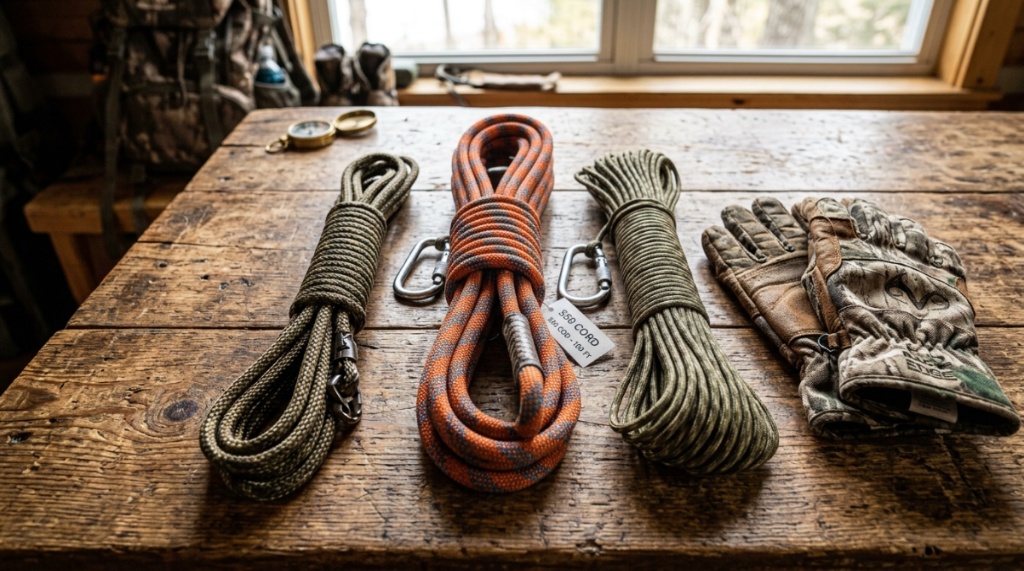
You are staring up at a towering oak stand in the Laurel Highlands, your pack heavy with gear, and you realize your old climbing rope is frayed, stiff, or just plain unsafe. Finding the best rope for Pennsylvania hunting isn’t just about comfort—it’s about safety, stealth, and reliability in the unique terrain of the Keystone State. Pennsylvania hunters face dense woods, rocky ridges, and variable weather from early archery to late muzzleloader season. This guide cuts through the marketing fluff to give you a practical, actionable system for picking a rope that works for your specific hunting style, budget, and local conditions.
What Makes a Hunting Rope Suitable for Pennsylvania’s Terrain?
A Pennsylvania hunting rope must handle wet leaves, rocky abrasion, and sub-zero temperatures without losing strength or grip. Unlike ropes used in western open country, PA hunting demands a rope that resists moisture absorption and stays flexible in the cold.
Moisture Resistance in Dense Hardwoods
Pennsylvania’s forests are humid and often rainy. A rope that soaks up water becomes heavy, stiff, and prone to slipping. Look for dynamic climbing ropes with a dry-core treatment or static ropes made from polyester, which absorbs less water than nylon.
Abrasion Resistance Against Rock and Bark
Scouting the rocky ridges of State Game Lands or the rough bark of old oaks can fray a cheap rope fast. A sheath with a high percentage of nylon (typically 30-40%) offers better abrasion resistance than a pure polyester cover.
Cold-Weather Flexibility
Late-season PA hunts often see temperatures below 20°F. A rope that stiffens in the cold is difficult to handle and can fail to cinch properly. Opt for ropes labeled as “cold-weather flexible” or with a low-stretch core that maintains suppleness.
Which Rope Material Is Best for Tree Stand Safety?
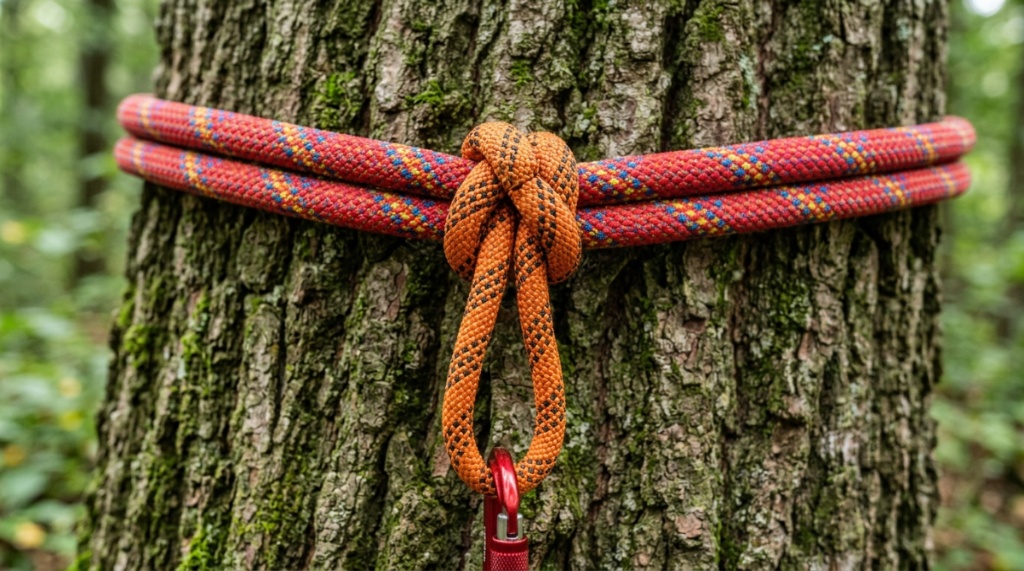
For tree stand safety lines and climbing lines, static ropes (low stretch) made from polyester or a polyester-nylon blend are the safest and most reliable choices for Pennsylvania hunters who prioritize security over bouncing during ascent.
Static Rope for Climbing Sticks and Lineman’s Belts
Static ropes stretch less than 5% under load, which is critical when you are using a lineman’s belt to move around the tree. A static 11mm or 12.5mm diameter rope gives you solid grip and confidence when you are 20 feet up in a gusty PA wind.
Dynamic Rope for Self-Rescue and Climbers
If you use a climbing method that involves a dynamic fall potential (like certain climbing tree saddles), you need a dynamic rope that stretches 20-30% to absorb shock. For most PA stick climbing, however, static is the standard.
Why You Should Avoid Nylon-Only Ropes
Nylon alone stretches excessively and weakens when wet. While it is strong dry, a 100% nylon rope can become dangerously slippery in rain or snow—common conditions during Pennsylvania’s archery and late seasons.
How Does Rope Diameter Affect Climbing and Safety?
Diameter directly impacts grip, weight, and compatibility with your gear. For Pennsylvania hunting, an 11mm to 12.5mm diameter provides the best balance of strength, ease of handling, and secure knot-holding ability.
Thin Ropes (8mm–10mm): Lightweight but Tricky
Thinner ropes save weight in your pack but are harder to grip with cold hands and can slip through mechanical ascenders or prusik knots. They are best for pull-up ropes, not main climbing lines.
Medium Ropes (11mm–11.5mm): The Sweet Spot for PA
This diameter is the most common for tree saddle hunting and climbing sticks. It is thick enough to grip easily with gloves, holds knots well, and fits most carabiners and rope grabs used by Pennsylvania hunters.
Thick Ropes (12.5mm–13mm): Maximum Grip and Durability
These are ideal for lineman’s belts and tether lines where you want absolute confidence. They are bulkier but offer the best abrasion resistance and are easier to handle in wet conditions.
Why Is Knot-Holding Ability Critical for PA Hunters?
A rope that fails to hold a knot under load can cause a dangerous slip, especially when you are adjusting your lineman’s belt or tether. Pennsylvania’s varied tree species—from smooth-barked beech to rough oak—demand a rope that grips itself securely.
Testing Knot Security Before You Buy
Before purchasing, tie a figure-eight follow-through or an alpine butterfly knot and pull tight. If the knot slips under moderate hand pressure, the rope is too slick. A rope with a textured sheath (like those with a “block creel” construction) holds knots far better.
The Role of Sheath Construction
Ropes with a tight, braided sheath (32-48 carriers) are less prone to slipping than loose, twisted sheaths. A tight sheath also resists dirt and moisture, which can lubricate knots over time.
Can You Use the Same Rope for Climbing and Hauling Gear?
Yes, but only if the rope is at least 11mm thick and you use a dedicated haul line system to avoid friction damage. Many Pennsylvania hunters run a single rope for climbing and then use a separate thinner throw line for hauling.
Dual-Purpose Rope Systems: Pros and Cons
Using one rope saves weight but increases wear. Rubbing against tree bark while climbing can damage the same part of the rope you use for hauling a bow. If you go this route, rotate the rope frequently and inspect for flat spots or fraying. Just like picking the right thickness of utility cord ensures your gear stays secure in the tree stand, choosing the right tool size matters in other crafts, too. If you also enjoy crafting winter gear, check out our comprehensive Guide To Crochet Hook Sizes to match your yarn perfectly.
Best Practice: Separate Haul Line
A dedicated 6mm-8mm static line for hauling is inexpensive and keeps your main climbing rope safe from abrasion and bow string contact. This is the standard practice among experienced PA hunters who hunt multiple days per week.
How to Match Rope Length to Pennsylvania Hunting Styles
Rope length depends on your climbing method and tree size. For most Pennsylvania public land setups, a 30-foot climbing rope paired with a 15-foot tether and a 10-foot lineman’s belt is the most versatile combination.
Climbing Sticks and Saddles: Length Recommendations
If you use climbing sticks to reach 20 feet, a 25-30 foot rope is sufficient for your tether and lineman’s belt. You can use the same rope for both, or carry a 10-foot dedicated lineman’s belt rope.
Hang-On Stands: Longer May Be Safer
Hang-on stands often require you to climb the tree with a lineman’s belt. A 20-25 foot rope for the belt gives you room to move around the tree while you attach the stand. A 30-foot tether is also standard.
Self-Climbers: Specific Lengths
Self-climbing stands often require a 25-foot climbing rope, but check your stand’s manual. Using too long a rope creates dangerous slack; too short a rope limits your climbing height.
What Are the Best Rope Features for Saddle Hunting in PA?
Saddle hunting has exploded in Pennsylvania due to its mobility and lightweight setup. The best rope for saddle hunting is a 11.5mm static rope with a tight sheath, rated for arborist use, and treated for UV and moisture resistance.
Tether Rope: The Most Critical Component
Your tether rope must be static and rated for a minimum of 5,000 pounds. A 30-inch or 36-inch tether works for most tree diameters in Pennsylvania, from small saplings to massive oaks.
Lineman’s Belt Rope: Comfort and Security
This rope must be long enough to wrap around large trees (typical PA trees are 18-24 inches in diameter) and adjustable on the fly. An 8-10 foot lineman’s belt rope is standard. Look for a rope with a smooth, yet grippy finish that doesn’t dig into your gloves.
Rope Bridges and Adjusters
If your saddle uses a rope bridge, choose a 10mm to 11mm static rope specifically designed for that purpose. Avoid using your climbing rope for the bridge, as the constant friction can cause accelerated wear.
How to Inspect and Maintain Your Hunting Rope
Inspect your rope before every hunt, especially if you store it in a hot car trunk or damp basement. Pennsylvania’s humidity can accelerate rope degradation if not properly dried and stored.
Visual Inspection Checklist
- Look for broken or fuzzy fibers on the sheath
- Check for flat spots or hard lumps that indicate core damage
- Inspect the last 2 feet of the rope (the part that sees the most stress from knots)
- Examine for discoloration from UV exposure or chemical contact
Cleaning and Drying Best Practices
Wash your rope with mild soap (like Dawn) in cool water. Never use bleach or fabric softener. Hang it in a shaded, ventilated area to dry—never in direct sunlight or near a heater. Store in a rope bag to keep dirt and moisture out.
When to Retire a Rope
Retire your hunting rope after 1-2 seasons of regular use, or immediately if you have taken a hard fall, the rope has been subjected to chemical exposure (like gasoline or insect repellent), or you see any core damage.
How to Choose a Budget-Friendly Rope Without Sacrificing Safety
You do not need to spend $150 on a rope to be safe. Many affordable ropes made by reputable arborist brands offer excellent performance for Pennsylvania hunting at a fraction of the cost of premium climbing lines.
What to Look for in a Budget Rope
Focus on three things: a tight polyester or polyester-nylon sheath, a static or low-stretch rating, and a diameter of 11mm or larger. Skip ropes with “military grade” or “tactical” labels that are just repurposed utility ropes.
Where to Find Quality Affordable Ropes
Online retailers specializing in arborist supplies and hunting gear offer excellent options. You can find the best rope for Pennsylvania hunting at Yifarope, which offers durable, tested ropes specifically designed for the demands of tree stand and saddle hunting across Pennsylvania’s diverse landscapes.
Avoiding Counterfeit or Unsafe Ropes
Buy from established sellers. Avoid marketplace listings that do not provide a manufacturer’s weight rating or material composition. A rope that fails the knot-holding test is not worth the savings.
What Is the Most Common Mistake PA Hunters Make With Ropes?
The most common mistake is buying a rope that is too thin or dynamic for static climbing applications. Using a 9mm dynamic climbing rope as a lineman’s belt is dangerous because it stretches too much and offers poor knot stability.
Why Stretch Matters in Tree Stand Safety
In a static application like a lineman’s belt, a dynamic rope can allow you to move several inches before the load is fully supported. That slack can cause you to lose balance or fall into the tree. Static ropes hold you firmly in place.
The Danger of Using Cheap Paracord or Utility Rope
Some hunters mistakenly use paracord for hauling or as a temporary safety line. Paracord has a breaking strength of around 550 pounds—far below the minimum of 3,000 pounds needed for any life-support role. Never use paracord for climbing or tethering.
How to Test Your Rope Setup Before Opening Day
Practice with your chosen rope system in your backyard or a local park before the season. This builds confidence and reveals any compatibility issues with your saddle or climbing sticks.
Setting Up a Test Tree
Find a tree similar to what you encounter in PA—rough bark, 18-24 inches in diameter. Set up your full climbing system, including your lineman’s belt, tether, and haul line. Practice tying knots with cold, gloved hands.
Performing a Load Test
Hang your full body weight on the tether and lineman’s belt (with a backup safety line). Check for knot slippage, rope creep, or unexpected stretching. This is the best way to ensure your setup works on the day of the hunt.
Frequently Asked Questions
Can I use a rock climbing rope for hunting in Pennsylvania?
Yes, but only a static (low-stretch) rock climbing rope. Dynamic climbing ropes used for lead climbing stretch too much for tree stand safety and can be dangerous for lineman’s belts and tethers.
How long should my hunting rope be for a 20-foot tree stand?
A 30-foot rope is ideal for a 20-foot stand height. This gives you enough length for the tether, lineman’s belt, and a few feet of extra line for tying knots and adjusting.
What is the safest rope diameter for a lineman’s belt?
An 11.5mm to 12.5mm diameter is safest for a lineman’s belt. It offers excellent grip, holds knots securely, and distributes load well across the belt system.
How often should I replace my hunting rope?
Replace your hunting rope every 1-2 seasons with regular use, or immediately after a fall, chemical exposure, or if you see visible damage like fraying, flat spots, or core bulges.
Is it okay to store my rope in a car during summer?
No. Car trunks can reach over 150°F, which degrades nylon and polyester fibers. Store your rope in a cool, dry place at home inside a breathable rope bag.
Can I use a rope that is treated for UV resistance?
Yes, UV-resistant ropes last longer, but no rope is completely UV-proof. Always inspect your rope for signs of sun damage, especially if you leave it in your truck bed or on the stand for days.
What knot should I use for my tether to the tree?
A figure-eight follow-through or an alpine butterfly knot is safe and reliable. Avoid slip knots or simple overhand knots that can loosen under vibration or load shifts.
Conclusion
Choosing the best rope for your Pennsylvania hunting setup is a decision that directly impacts your safety, comfort, and success in the field. You need a rope that resists moisture, handles cold weather, holds knots securely, and fits your specific climbing method. Prioritize a static rope of 11mm to 12.5mm in diameter, made from a polyester or polyester-nylon blend, and inspect it regularly for wear. Whether you are a saddle hunter in the Allegheny National Forest or a hang-on stand user in the Poconos, the right rope gives you the confidence to focus on the hunt, not your gear. Do not cut corners—your safety is worth the investment. Research your options, test your setup, and step into the Pennsylvania woods this season with a rope you can trust.
Focus Keyphrase: best rope for Pennsylvania hunting
Meta Description: Discover how to pick the best rope for Pennsylvania hunting. Learn about diameter, material, and safety for tree stands and saddles in PA’s terrain.