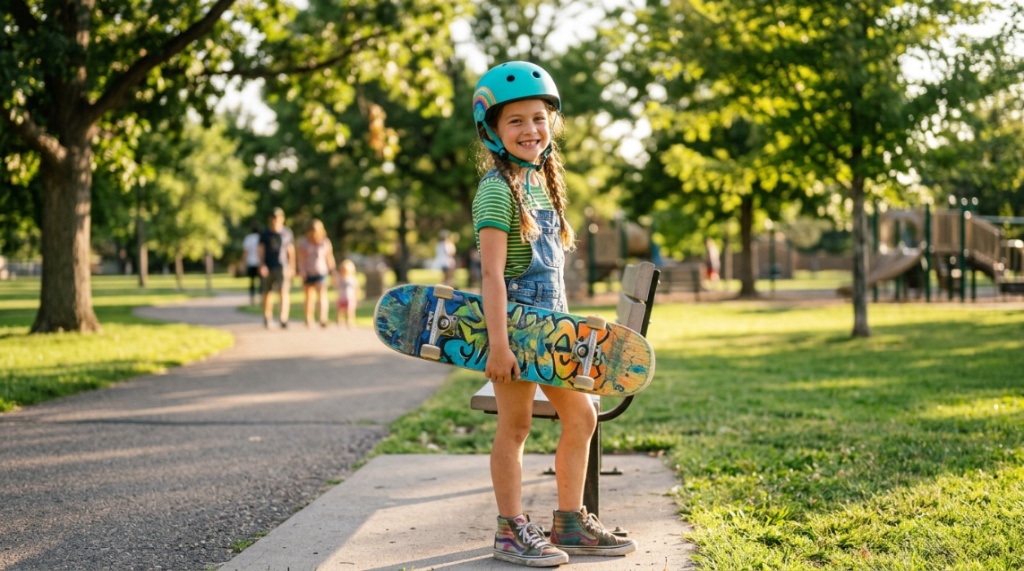
Your child just stepped onto a skateboard for the first time. Their eyes light up as they push off, but your stomach drops because you don’t have a helmet yet. You know you need one, but every helmet you see costs more than you expected, and you can’t help wondering if you can protect your kid without breaking the bank. This constant tug-of-war between safety and budget is real, and it makes finding affordable kids skate helmets feel like an impossible mission.
What Makes a Skate Helmet Different from a Bike Helmet?
The Core Safety Difference
A skate helmet is designed to withstand multiple low-impact hits, while a bike helmet is built for a single high-impact crash. Skate helmets have a thicker hard outer shell and more dense foam, which protects your child’s head during repeated falls and slides. Bike helmets use a thinner shell and lighter foam to reduce weight for speed, but they crack after one serious impact.
Why You Should Never Substitute a Bike Helmet for a Skate Helmet
Using a bike helmet for skateboarding puts your child at risk. When your kid falls backward on a skateboard, the back of a bike helmet often doesn’t cover the lower part of the skull. Skate helmets extend further down the back of the head, offering protection where skaters hit most often. Always check that the helmet meets ASTM F1492 (the skateboarding safety standard).
Real-World Testing Differences
Skate helmets undergo specific testing that simulates repeated impacts on hard surfaces like concrete. Bike helmets are tested for single impacts against pavement at higher speeds. For a child learning to skateboard, who will fall dozens of times in a single session, the multi-impact protection of a skate helmet is non-negotiable.
Which Safety Certifications Should You Look For?
ASTM F1492 and CPSC Certification
The most important certification for a skate helmet is ASTM F1492. This standard ensures the helmet can handle multiple impacts and provides coverage for the back of the head. The CPSC (Consumer Product Safety Commission) standard applies to bike helmets, but many skate helmets are dual-certified. Look for a helmet that clearly states ASTM F1492 on the label or packaging.
How to Verify Certification on a Budget Helmet
Cheaper helmets sometimes cut corners on certification. When you pick up an affordable helmet, flip it over and look inside for a sticker or embossed stamp. If you cannot find ASTM F1492, move on. Reputable brands like Triple Eight, Pro-Tec, and S1 even at lower price points still carry proper ratings. Do not rely on packaging claims alone—check the physical helmet.
Common Misconceptions About Helmet Labels
Some parents assume that because a helmet is sold in a big-box store, it is automatically safe. This is not always true. Helmets labeled “multi-sport” may only meet CPSC bike standards. Always prioritize ASTM F1492 for skateboarding. If budget is tight, a certified used helmet in good condition is safer than a new uncertified helmet.
How Much Should You Spend on a Kid’s Skate Helmet?
Breaking Down the Price Ranges
You can find a reliable skate helmet for as little as $25 and as much as $80. The sweet spot for an affordable kids skate helmet is between $30 and $50. In this range, you get proper ASTM F1492 certification, adjustable straps, and decent ventilation. Below $25, you risk poor padding and questionable materials. Above $50, you pay for extra features like MIPS (Multi-directional Impact Protection System) or premium liner materials.
What $30 Buys You vs. $60
A $30 helmet typically includes a hard ABS shell, EPS foam, a basic buckle, and a dial-adjust fit system. A $60 helmet adds a softer liner, more ventilation channels, a detachable visor, and sometimes MIPS. For a beginner child who will outgrow the helmet in a year or two, the $30 option is often sufficient. Advanced skaters or those on ramps benefit from the extra protection of a $60 model.
Where to Find Discounts Without Sacrificing Safety
Check online retailers like Amazon, Walmart, and Target during back-to-school sales or holiday events. Outlet sections of skate brands like Pro-Tec often sell previous year models at 30 to 40 percent off. Thrift stores sometimes carry barely used helmets—inspect them carefully for cracks and check the expiration date (usually five years from manufacture).
What Features Should an Affordable Kids Skate Helmet Have?
Adjustable Fit System
Look for a dial or snap-in pad system that lets you fine-tune the fit. Children grow fast, and an adjustable system extends the life of the helmet by several months. A snug fit is crucial—if the helmet moves more than an inch in any direction when shaken, it will not protect properly during a fall.
Proper Ventilation
Kids overheat quickly. Choose a helmet with at least eight to twelve ventilation holes. These holes allow airflow and keep your child comfortable during long skate sessions. However, ensure the holes are not so large that a small pebble or stick could penetrate and hit the scalp,Just as finding the right gear is essential for water sports—such as choosing the right surfboard leash for safety and performance—investing in a properly certified helmet is critical for protecting young skaters from impact injuries.
Durable Shell Material
ABS plastic is the industry standard for affordable helmets. It is tough, lightweight, and resists cracking on impact. Some cheaper helmets use polycarbonate, which is thinner and less durable. Stick with ABS for the best balance of cost and protection. The shell should feel hard and solid, not flimsy or flexible.
Easy-to-Use Buckle and Straps
A magnetic buckle is ideal for younger children who struggle with traditional clips, but these are rare on budget helmets. Look for a standard side-release buckle with wide nylon straps that do not twist easily. Y-shaped straps should lie flat against the ears without pinching. Test the buckle at the store to ensure it clicks securely and releases easily.
How Do You Measure Your Child’s Head for a Helmet?
Simple Measuring Steps
Wrap a flexible measuring tape around your child’s head about one inch above the eyebrows, where the helmet will sit. Write down the circumference in inches or centimeters. Most helmets list size ranges (e.g., 20–21.5 inches or 51–54 cm). If you don’t have a measuring tape, use a string and then measure it against a ruler.
Common Sizing Mistakes Parents Make
Many parents buy a helmet that is too large because they think the child will grow into it. This is dangerous. A loose helmet shifts on impact and exposes the forehead or back of the head. Always buy for the current head size, not the future. Conversely, a helmet that is too tight causes headaches and discourages your child from wearing it.
How to Test Fit at Home
Once the helmet is on, shake your child’s head gently. The helmet should move with the head, not slide independently. Next, open your child’s mouth wide—the helmet should press down slightly on the top of the head. Finally, check that the front edge sits two finger-widths above the eyebrows. If any of these checks fail, adjust the pads or straps, or try a different size.
Which Brands Offer the Best Affordable Kids Skate Helmets?
Triple Eight Sweatsaver
Triple Eight is a top choice for budget-conscious families. Their Sweatsaver model costs around $35 to $45, meets ASTM F1492, and includes a removable, washable liner. The fit system uses a simple dial adjustment, and the helmet comes in multiple fun colors. It is durable enough for daily park use and light enough for small necks.
Pro-Tec Classic Skate Helmet
Pro-Tec has been making skate helmets since the 1970s. Their Classic model is available for $40 to $55 and is dual-certified for both skateboarding and biking. The hard ABS shell and thick EPS foam provide excellent protection. The main drawback is less ventilation, so consider this for cooler weather or shorter sessions.
Retrospec CM-1
Retrospec is a newer brand that focuses on affordability. The CM-1 model costs around $25 to $30, has a dial-fit system, and is ASTM F1492 and CPSC certified. The ventilation is decent, and the helmet is lightweight. It is an excellent starter helmet for young children who are just learning balance and falls.
S1 Lifer Mini
S1 helmets are premium in protection but the Lifer Mini for kids starts around $50. It is rounder than most helmets, which provides a better fit for kids with more spherical heads. The MIPS version is pricier, but the standard model offers all the safety you need. If you can stretch your budget slightly, the S1 Lifer Mini is built to last through multiple siblings.
How Can You Make a Cheap Helmet Last Longer?
Proper Storage Habits
Never leave a skate helmet in a hot car. High temperatures degrade the EPS foam and reduce impact absorption. Store the helmet in a cool, dry place indoors. Also avoid stacking heavy objects on top of it, which can compress the foam permanently.
Regular Cleaning Without Damage
Wipe the outer shell with a damp cloth and mild soap. Remove the liner if possible and hand wash it with cool water. Do not use bleach, alcohol, or abrasive cleaners—they can weaken the plastic and foam. Air dry completely before reassembling. This routine keeps the helmet fresh and extends its useful life by months.
When to Replace Even a Cheap Helmet
Replace any helmet after a significant impact, even if you see no cracks. The foam compresses permanently on impact and loses its ability to protect from future falls. Also replace if the straps fray, the buckle cracks, or the shell develops dents. Most manufacturers recommend replacing a helmet every five years from the manufacture date, regardless of use.
Where Should You Shop for Affordable Kids Skate Helmets?
Online Marketplaces
Amazon and Walmart.com have huge selections with customer reviews that help you spot quality issues. Use filters to narrow by price under $40 and certification. Look for helmets with at least 4.0 stars and read recent reviews for size accuracy. Sites like OfferUp and Facebook Marketplace also sell used helmets—meet sellers in public and inspect closely.
Local Skate Shops
Local skate shops often have clearance sections for last-season models. You can try helmets on your child before buying, which eliminates sizing guesswork. Shop staff are usually knowledgeable and can recommend the best affordable kids skate helmets from brands they trust. Supporting local shops also gives you a direct line for warranty issues.
Big Box Stores and Sporting Goods Chains
Target, Dick’s Sporting Goods, and Academy Sports + Outdoors carry budget-friendly options from brands like Razor and Huffy. Be cautious here—some helmets labeled “skateboard” may only meet bike standards. Always check the label inside the helmet for ASTM F1492 before purchasing. These stores also have seasonal sales that can bring prices down significantly.
Outlet and Discount Retailers
Marshalls, TJ Maxx, and Ross sometimes carry brand-name skate helmets at 50 percent off retail. The stock is unpredictable, but when you find a Pro-Tec or Triple Eight helmet there, it is usually a genuine overstock item. Inspect the box for damage and verify the certification sticker before buying.
Can You Buy a Used Skate Helmet for a Child?
When It Is Okay to Buy Used
If the helmet is less than three years old, has never been in a crash, looks clean, and fits your child well, buying used is safe. Check the manufacture date stamped inside the shell. Most helmets last five years from that date, so a three-year-old helmet still has two years of reliable service left.
Red Flags to Avoid in Used Helmets
Never buy a used helmet that has visible cracks, deep scratches, deformed foam, or a crushed liner. Avoid helmets with missing or frayed straps, a cracked buckle, or a loosening of the outer shell from the foam. Also pass on any helmet that smells musty or has mold—this indicates moisture damage that compromises the foam.
Where to Find Reliable Used Helmets
Facebook parent groups, Buy Nothing communities, and Craigslist are good sources. Post an ISO (In Search Of) message with your child’s head size and desired brand. Many parents give away helmets their kids have outgrown. Thrift stores are also worth checking, but be thorough in your inspection because you cannot verify the helmet’s history.
How Do You Ensure a Proper Fit on a Budget Helmet?
Step-by-Step Fitting Guide
- Place the helmet level on your child’s head, with the front edge two finger-widths above the eyebrows.
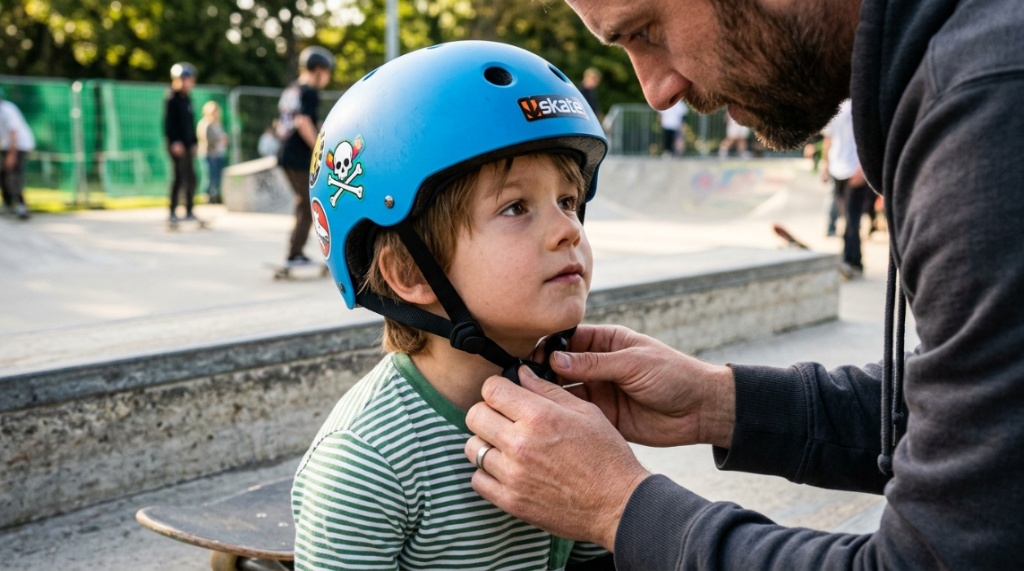
- Tighten the chin strap so only one finger fits between the strap and the chin. The strap should form a V shape under each ear.
- Shake your child’s head gently. The helmet should not shift more than half an inch.
- Ask your child to open their mouth wide. The helmet should press down slightly, confirming a snug top fit.
- Adjust fit pads or dial system until the helmet stays put without causing pressure points.
Common Fit Problems and Quick Fixes
If the helmet tilts back, the front is too high—tighten the front straps or add thicker pads to the front. If it tilts forward, the back is too high—adjust the rear straps. If it wobbles side to side, the circumference is too large or the fit pads are worn. Replace pads (many brands sell cheap replacement kits) or try a smaller size.
When to Size Up or Down
If you max out the fit dial and the helmet is still loose, you need a smaller size. If you loosen the dial all the way and it still squeezes your child’s head, you need a larger size. Never force a helmet to fit with over-tightening—it will cause headaches and your child will refuse to wear it.
What Extra Gear Works Well with Affordable Helmets?
Knee and Elbow Pads
Complete safety sets that include a helmet, knee pads, elbow pads, and wrist guards often cost less than buying items separately. Many brands sell coordinated sets around $50 to $70. These sets simplify shopping and ensure your child is fully protected. Look for sets with adjustable straps and strong plastic caps that do not slide during falls.
Wrist Guards for Beginners
Falling forward onto outstretched hands is the most common injury for beginning skaters. Wrist guards prevent sprains and fractures. Budget-friendly pairs cost around $10 to $15. Make sure the splint runs along both the palm and the back of the hand. Pair these with an affordable helmet for a complete low-cost safety setup.
Helmet Accessories for Comfort
Some affordable helmets come with a removable visor that shields the eyes from sun and rain. You can also buy a helmet cover or decals to personalize the helmet. A simple neoprene chin guard prevents strap chafing on sensitive skin. These small additions increase comfort and make your child more likely to keep the helmet on.
If you want a complete package that includes all essential safety gear at a reasonable price, explore comprehensive sets that offer affordable kids skate helmets along with pads and guards in one convenient purchase.
Frequently Asked Questions
How often should I replace my child’s skate helmet?
Replace the helmet every five years from the manufacture date, or immediately after any significant impact. Also replace if the shell cracks, straps fray, or foam becomes compressed. Growing children may need a new size every 12 to 18 months.
Can my child use a bike helmet for skateboarding?
No. Bike helmets are not designed for the multiple low-impact falls common in skateboarding. They also lack coverage at the back of the head. Always use a skate helmet meeting ASTM F1492 standards for proper protection.
Do expensive helmets protect better than cheap ones?
Not necessarily. A $30 helmet with ASTM F1492 certification provides the same impact protection as a $100 helmet. The extra cost buys features like MIPS, better ventilation, lighter weight, or premium liners, but the core safety standard remains the same if both are certified.
What is MIPS and do I need it on a budget helmet?
MIPS (Multi-directional Impact Protection System) is a low-friction layer that reduces rotational forces on the brain during angled impacts. It is beneficial but not essential for most beginners. If your budget is tight, focus on ASTM F1492 certification first. MIPS adds $15 to $25 to the cost.
How do I clean a skate helmet without damaging it?
Remove the liner and hand wash it with mild soap and cool water. Wipe the outer shell with a damp cloth. Avoid bleach, alcohol, and abrasive cleaners. Air dry everything completely before reassembling. Never put the helmet in a dishwasher or washing machine.
Can I find a certified skate helmet for under $25?
Yes, but options are limited. Brands like Retrospec and some generics occasionally sell certified helmets for $20 to $25. Always verify the ASTM F1492 sticker inside the helmet. Be extra cautious at this price point and inspect for quality issues like loose straps or thin padding.
What size skate helmet should I buy for my 5-year-old?
Most 5-year-olds need a small or XS helmet fitting head circumferences of 20 to 21.5 inches (51 to 54 cm). However, children vary widely. Always measure your child’s head before buying, and use the size chart provided by the helmet brand. Do not rely on age recommendations alone.