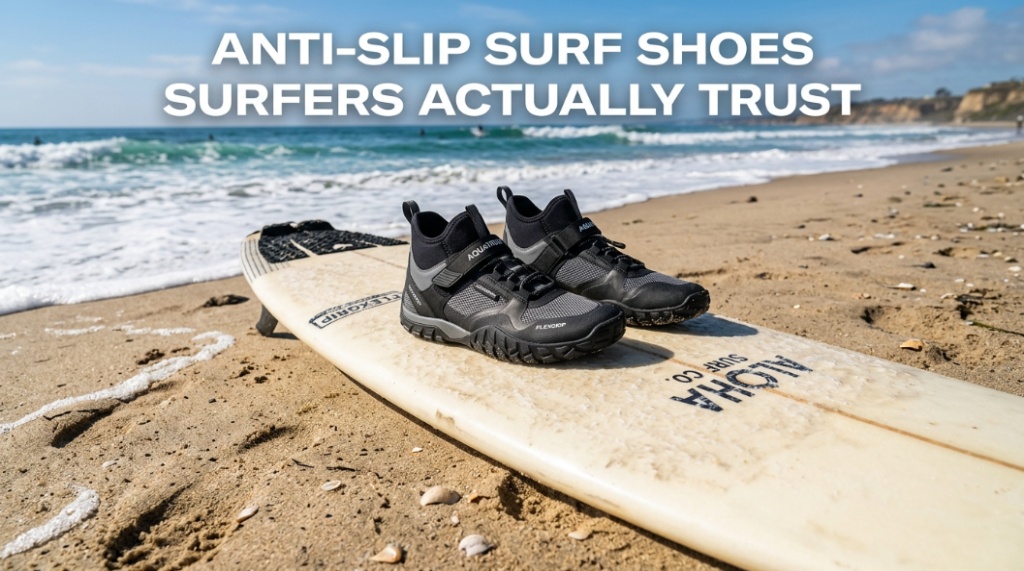
Anti-slip surf shoes are specialized water footwear designed to improve grip, stability, and comfort on wet surfboards, rocky shorelines, and slippery reefs. The best anti-slip surf shoes combine flexible soles, secure traction patterns, lightweight construction, and long-session comfort without limiting board feel.
Why Are Anti-Slip Surf Shoes So Important for Surfers?
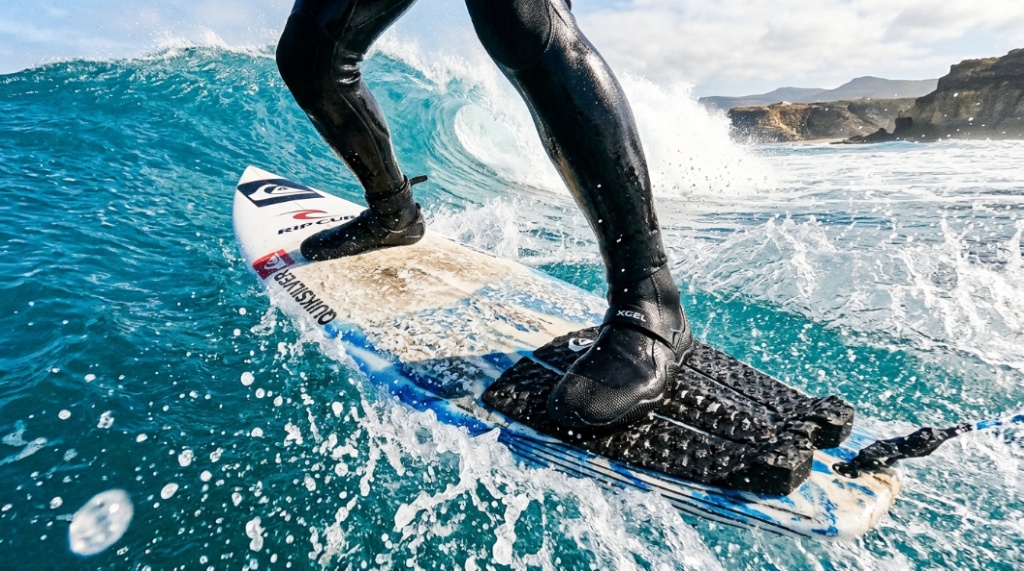
Anti-slip surf shoes help surfers avoid dangerous slips, foot fatigue, reef cuts, and poor board control in wet conditions. They improve traction while preserving flexibility and comfort during paddling, pop-ups, and turns.
One bad slip on a waxed board or algae-covered rock can end an entire surf session. Many surfers underestimate how much grip affects performance until they surf in cold water, reef breaks, slippery boat ramps, or uneven shorelines.
Modern surf shoes are no longer bulky neoprene boots that reduce board feel. Today’s trusted anti-slip surf shoes are thinner, lighter, and more responsive. Brands now focus heavily on:
- High-traction rubber soles
- Flexible surf shoes for natural foot movement
- Drainage systems for water release
- Thermal insulation for cold water surfing
- Lightweight neoprene construction
- Arch support and surf shoe comfort
According to surfing injury studies published in sports medicine journals, foot and ankle injuries are among the most common surfing-related problems, especially around reef breaks and slippery entry points. Proper traction footwear significantly reduces risk during entry and exit phases.
What Makes the Best Anti-Slip Surf Shoes Different?
The best anti-slip surf shoes use advanced grip technology, flexible materials, and ergonomic designs that balance traction with board sensitivity.
Not all surf footwear performs equally. Cheap water shoes often fail because they become slippery once fully wet. Trusted surf shoes use specialized outsole compounds designed specifically for marine environments.
What Features Should You Look for in Anti-Slip Surf Shoes?
The most important features are grip, flexibility, comfort, drainage, durability, and secure fit.
| Feature | Why It Matters |
|---|---|
| Textured Rubber Sole | Improves traction on wet surfaces |
| Flexible Sole Design | Maintains natural foot movement |
| Neoprene Upper | Provides insulation and comfort |
| Drainage Holes | Prevents water buildup |
| Reinforced Toe Area | Protects feet from rocks and reefs |
| Adjustable Ankle Closure | Prevents slipping inside the shoe |
| Lightweight Construction | Reduces fatigue during long sessions |
Experienced surfers often prioritize flexibility over thick cushioning because board feel directly impacts control and responsiveness.
Do Flexible Surf Shoes Improve Surf Performance?
Yes. Flexible surf shoes allow more natural movement, better board sensitivity, and improved balance compared to stiff water shoes.
Surfing relies heavily on subtle foot pressure adjustments. If shoes are too rigid, surfers lose connection with the board. Flexible surf shoes solve this by bending naturally with the foot while still protecting against sharp surfaces.
High-quality flexible surf shoes typically use:
- Split-toe construction
- Thin vulcanized rubber soles
- Stretch neoprene panels
- Low-profile traction patterns
- Anatomical foot shaping
Why Do Many Surfers Prefer Split-Toe Surf Shoes?
Split-toe surf shoes improve balance and grip by separating the big toe from the rest of the foot.
This design creates a more secure connection between the surfer and the board. The foot feels “locked in,” especially during aggressive turns or powerful wave conditions.
Many professional surfers use split-toe surf boots because they improve:
- Board control
- Foot stability
- Wave responsiveness
- Grip during maneuvers
- Comfort during long sessions
However, some surfers still prefer round-toe shoes because they feel less restrictive and work better in warmer climates.
How Does Surf Shoe Comfort Affect Long Surf Sessions?
Surf shoe comfort directly impacts endurance, stability, and surfing performance during extended sessions.
Uncomfortable surf shoes create friction, pressure points, and muscle fatigue. Over time, poor footwear can lead to blisters, numbness, and ankle strain.
Trusted anti-slip surf shoes focus heavily on comfort engineering through:
- Seamless interior lining
- Ergonomic arch support
- Lightweight neoprene
- Quick-dry materials
- Stretch-fit ankle openings
- Compression-style fit systems
Cold-water surfers especially depend on comfortable surf shoes because long exposure to cold temperatures can reduce circulation and foot sensitivity.
Can Tight Surf Shoes Affect Performance?
Yes. Surf shoes that are too tight can reduce circulation and create foot fatigue, while loose shoes reduce control and traction.
The ideal fit should feel snug without pressure points. Your toes should not curl excessively, and your heel should stay secure during movement.
A properly fitted surf shoe:
- Feels tight when dry
- Does not slide internally
- Allows natural toe movement
- Maintains board feel
- Prevents water pooling
What Types of Surf Conditions Require Anti-Slip Surf Shoes?
Anti-slip surf shoes are especially important in reef breaks, rocky shorelines, cold water, slippery docks, and sharp underwater terrain.
Many surfers only think about warmth when buying surf footwear, but traction is equally important. Certain surf environments become extremely hazardous without proper grip.
When Should You Wear Surf Shoes?
You should wear surf shoes when surfing around reefs, rocks, cold water, or slippery beach entries.
Common situations include:
- Reef breaks in Indonesia or Hawaii
- Cold-water surfing in California or the UK
- Rocky shore entries
- Boat-based surf trips
- Sharp coral environments
- Winter surfing sessions
Even experienced surfers often use anti-slip surf shoes during travel because unfamiliar conditions increase injury risk.
Are Surf Shoes Better Than Standard Water Shoes?
Yes. Surf shoes are specifically designed for surfing performance, while standard water shoes mainly focus on casual water protection.
Regular water shoes usually lack the flexibility and traction patterns needed for surfing. They may also absorb excess water and feel heavy during movement.
| Surf Shoes | Standard Water Shoes |
|---|---|
| Designed for board traction | General water use |
| Flexible sole construction | Often stiff and bulky |
| Improved board feel | Reduced responsiveness |
| High-grip rubber patterns | Basic outsole traction |
| Performance-focused fit | Comfort-focused casual fit |
| Cold-water compatibility | Limited insulation |
Serious surfers rarely rely on standard water shoes because they interfere with foot positioning and board sensitivity.
Which Sole Materials Provide the Best Anti-Slip Grip?
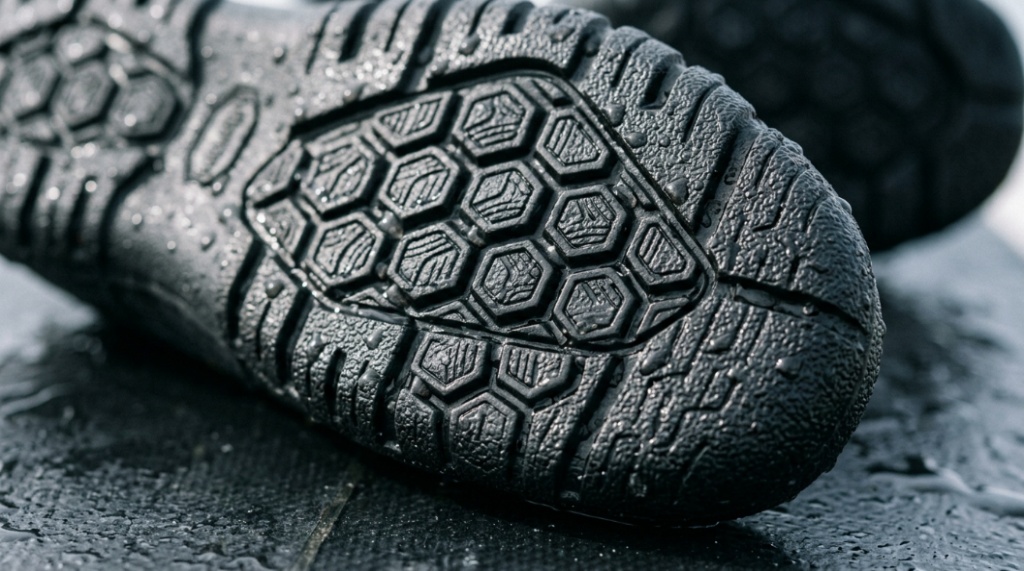
Rubber compounds with siped traction patterns provide the best anti-slip grip for surf shoes.
Marine footwear brands often use specialized sticky rubber technology similar to climbing shoes. These materials improve friction even on soaked surfaces.
What Is Siped Rubber?
Siped rubber contains thin cuts across the sole that improve water dispersion and surface contact.
This technology is widely used in:
- Surf shoes
- Boat shoes
- Fishing footwear
- Marine deck shoes
The goal is simple: maintain grip when surfaces become slick with water, algae, wax, or sand.
Do Thick Surf Shoes Reduce Board Feel?
Yes. Thicker surf shoes provide more insulation but can reduce sensitivity and responsiveness on the board.
This creates a tradeoff between warmth and performance. Most surfers choose thickness based on water temperature.
| Thickness | Best Use | Board Feel |
|---|---|---|
| 1–2mm | Warm water | Excellent |
| 3mm | Cool conditions | Balanced |
| 5mm+ | Cold water surfing | Reduced sensitivity |
Flexible surf shoes in the 2–3mm range are often considered the sweet spot for balancing warmth, grip, and comfort.
How Long Do High-Quality Surf Shoes Typically Last?
High-quality surf shoes generally last between one and three years depending on usage frequency, water conditions, and maintenance.
Saltwater, UV exposure, and repeated flexing gradually weaken neoprene and rubber compounds. Surfers who paddle out several times per week typically replace shoes more often.
What Causes Surf Shoes to Wear Out Quickly?
The biggest causes are poor drying habits, reef abrasion, and cheap materials.
To extend lifespan:
- Rinse with fresh water after use
- Avoid direct sunlight drying
- Store in ventilated areas
- Do not leave wet inside surf bags
- Rotate between pairs if surfing frequently
Premium surf brands often reinforce high-stress flex zones to improve durability.
What Do Experienced Surfers Actually Prioritize in Surf Shoes?
Experienced surfers prioritize grip, flexibility, comfort, fit, and board feel over appearance or excessive padding.
Many beginners choose shoes based on warmth alone. Advanced surfers understand that traction and responsiveness matter more for actual performance.
Common priorities include:
- Reliable anti-slip traction
- Minimal internal movement
- Fast drainage
- Low weight
- Natural foot flex
- Durable stitching
- Secure ankle fit
Why Do Trusted Surf Shoes Usually Cost More?
Premium surf shoes cost more because they use better rubber compounds, ergonomic shaping, and higher-quality neoprene construction.
Cheaper models often fail around seams, lose grip quickly, or stretch excessively after repeated use.
Performance-focused surf footwear brands invest heavily in:
- Hydrophobic materials
- Thermal lining technology
- Advanced traction engineering
- Durability testing
- Anatomical fit systems
Can Anti-Slip Surf Shoes Help Beginners?
Yes. Beginners often benefit even more from anti-slip surf shoes because they struggle with balance and unstable footing.
New surfers commonly slip while:
- Entering the water
- Standing on wet boards
- Navigating rocks
- Learning pop-ups
- Carrying surfboards near shore
Proper traction helps beginners build confidence faster while reducing avoidable injuries.
How Should You Choose the Right Anti-Slip Surf Shoes?
The best anti-slip surf shoes depend on water temperature, surf conditions, fit preference, and desired flexibility.
Before buying, consider:
- Water temperature
- Reef vs sand-bottom surf spots
- Desired board sensitivity
- Frequency of surfing
- Ankle support needs
- Toe style preference
Quick Surf Shoe Buying Checklist
- Choose flexible soles for better board feel
- Prioritize anti-slip rubber traction
- Pick snug-fitting designs
- Select thickness based on climate
- Look for reinforced seams
- Avoid bulky water shoes
- Check drainage efficiency
Conclusion: Are Anti-Slip Surf Shoes Worth It?
Yes. Trusted anti-slip surf shoes improve safety, stability, comfort, and overall surf performance across a wide range of conditions.
The best models combine flexible surf shoes technology with reliable grip and long-session comfort. They help surfers maintain control on slippery boards, rocky entries, and reef-heavy breaks without sacrificing natural movement.
Modern surf footwear has evolved dramatically. Today’s designs are lighter, more responsive, and more performance-focused than older neoprene boot styles. Whether you surf occasionally or paddle out every week, proper traction footwear reduces risk and improves confidence in the water.
Instead of focusing only on warmth or style, prioritize traction, flexibility, fit, and surf shoe comfort. Those factors directly affect how you move, balance, and perform during every session.
If you regularly surf in challenging conditions, investing in trusted anti-slip surf shoes is not just about comfort. It is about protecting your feet, improving stability, and surfing with greater control.
FAQ: Anti-Slip Surf Shoes
Do anti-slip surf shoes work on wet surfboards?
Yes. High-quality anti-slip surf shoes use specialized rubber traction patterns that improve grip on wet and waxed surfboards.
Are flexible surf shoes better for performance surfing?
Yes. Flexible surf shoes improve board feel, natural foot movement, and responsiveness during turns and maneuvers.
Can surf shoes prevent reef cuts?
Yes. Surf shoes protect feet from sharp coral, rocks, shells, and underwater hazards commonly found at reef breaks.
Should surf shoes fit tight or loose?
Surf shoes should fit snugly without painful pressure. A tight fit prevents internal slipping and improves control.
What thickness surf shoes are best?
For most surfers, 2–3mm surf shoes provide the best balance of warmth, flexibility, and board sensitivity.
Are split-toe surf shoes worth it?
Many surfers prefer split-toe surf shoes because they improve balance, stability, and connection with the board.
Can beginners use anti-slip surf shoes?
Absolutely. Beginners often benefit from improved traction and safer footing while learning basic surfing skills.
📌 Related Reads
Discover: How to Pick Long-Lasting Cheap Perfumes That Actually Work