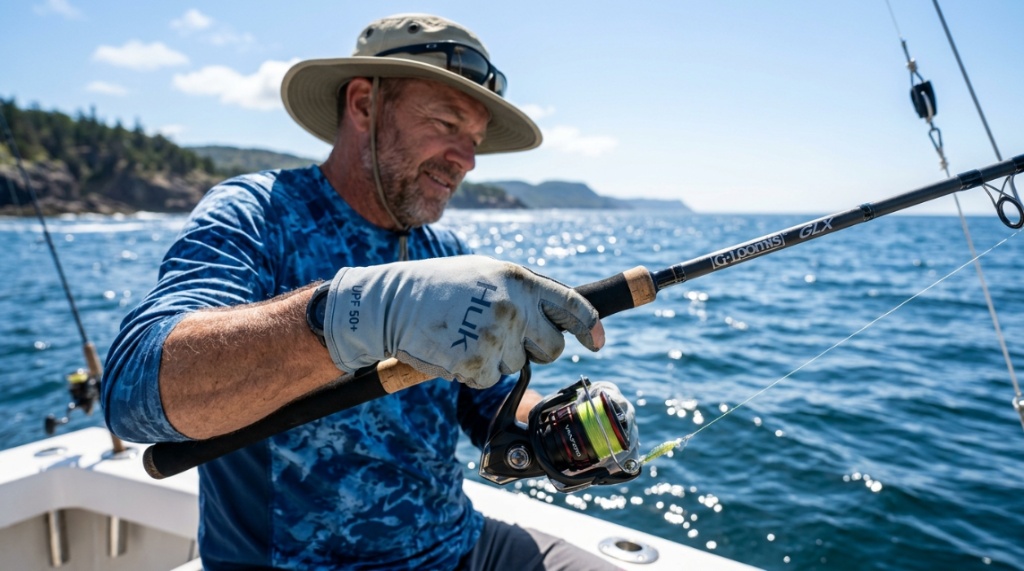
You’ve planned the perfect day on the water. The forecast is clear, the tackle is ready, and the fish are biting. But by noon, your hands feel like they’re baking under a magnifying glass. The tops of your fingers are pink, and you know the burn will turn into peeling by tomorrow. That’s the moment you realize you need real protection. Sun-protective fishing gloves affordable enough to grab without guilt do exist, but sorting through cheap mesh gloves that shred after one trip versus durable UPF-rated options takes a bit of know-how. This guide walks you through exactly what to look for, what to skip, and how to keep your hands safe without breaking your gear budget.
What Makes Fishing Gloves Sun-Protective?
Sun-protective fishing gloves are designed to block ultraviolet radiation using specialized fabrics, tight weaves, and UPF ratings. Unlike standard cotton gloves that offer almost no UV defense, these gloves keep your skin safe during long hours in direct sunlight.
UPF Ratings Explained Simply
UPF stands for Ultraviolet Protection Factor. A UPF 50+ rating means the glove blocks at least 98 percent of UV radiation. When shopping on a budget, aim for gloves rated UPF 30 or higher. Anything lower isn’t worth your money for full-day fishing under the Florida sun or any high-exposure environment.
Fabric Choices That Matter
Look for nylon-spandex blends or polyester microfiber. These materials dry quickly, allow airflow, and maintain their UPF rating even when wet. Avoid cotton, linen, or thin knit fabrics—they offer minimal sun protection and become heavy and uncomfortable once soaked.
Closure and Fit Features
A snug fit prevents the glove from shifting while casting or reeling. Elastic cuffs or Velcro straps keep the glove in place and block sunlight from reaching your wrist. If the glove slides around, you risk sun exposure in the gaps.
Why You Shouldn’t Skip Sun Protection for Your Hands
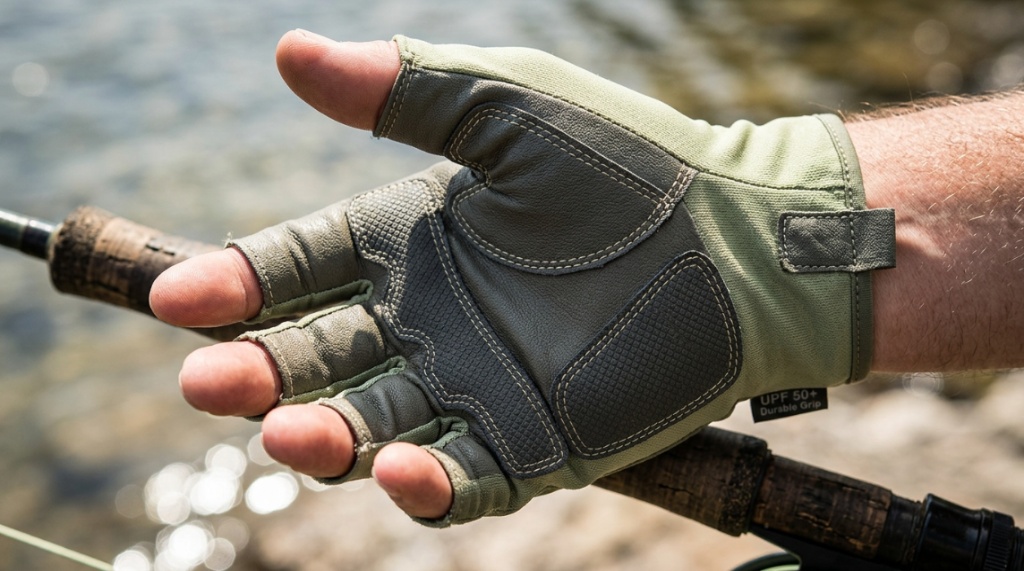
Many anglers focus on face and arm protection but forget their hands. Your hands receive direct UV exposure for hours while holding the rod, reeling, and handling bait. The skin on the back of your hands is thin and ages faster than other areas, making it prone to sun damage and skin cancer.
Health Risks You Face Without Protection
Basal cell carcinoma and squamous cell carcinoma commonly appear on the hands. A single bad burn increases your long-term risk. Sun-protective gloves aren’t just about comfort—they are a basic health tool for anyone on the water more than a few hours a week.
Performance Benefits Beyond Sun Safety
Quality gloves also improve grip when your hands sweat or get wet. They reduce fatigue by cushioning your palms during extended fights with big fish. And they protect against cuts from lines, hooks, and sharp gill plates.
How to Find Affordable Sun-Protective Fishing Gloves That Actually Work
Finding sun protective fishing gloves affordable enough for frequent use comes down to knowing which features are non-negotiable and which can be downgraded. With a clear strategy, you can get reliable protection for under 25 dollars.
Identify Your Fishing Conditions First
Are you fishing in a kayak under full sun, or walking the banks in partly cloudy weather? Do you need fingerless gloves for tying knots and baiting hooks, or full-fingered gloves for maximum coverage? Your specific conditions dictate which budget-friendly options work best.
Focus on UPF 50+ and Breathability
Even the cheapest gloves can claim sun protection, but look for UPF 50+ explicitly stated on the packaging or product description. Pair that with mesh backs or vented panels for airflow. Good ventilation prevents clammy hands and keeps you comfortable without sacrificing UV blocking.
Compare Material Quality Over Brand Names
Generic brands using the same nylon-spandex blends as expensive names often deliver similar protection at half the price. Read reviews about seam durability and how the gloves hold up after washing. A glove that lasts two seasons is a better value than a cheap pair that tears on the first hook set.
Check for Touchscreen Compatibility
If you use your phone for GPS, photos, or calls, budget gloves with conductive fingertips save frustration. Many affordable models now include this feature without a major price bump. Test the responsiveness before buying if possible,While protecting your hands from harsh UV rays is vital, don’t overlook your footing; stay Safe on Slippery Boat Decks With the Right Fishing Shoes to ensure a comfortable and injury-free day on the water.
Which Glove Styles Offer the Best Value for Sun Protection?
The right style balances coverage, dexterity, and price. Three primary categories dominate the affordable market, and each suits different fishing styles and budgets.
Full-Fingered Sun Gloves
These provide maximum coverage from knuckles to fingertips. They are ideal for trolling, pier fishing, or any situation where you don’t need bare fingertip sensitivity. Budget models with UPF 50+ start around 12 to 20 dollars. Look for reinforced stitching between the thumb and index finger, which is a common failure point.
Fingerless Sun Gloves
Fingerless gloves expose your fingertips for better tactile feel when tying knots or handling small lures. They still protect the back of your hands and most of your fingers. Expect to pay 10 to 18 dollars for decent fingerless options. Ensure the finger cuffs are snug but not tight to avoid circulation issues.
Convertible or Flip-Tip Gloves
Convertible gloves have mitten-style flaps or removable fingertip covers. They offer versatility for changing conditions. However, they tend to cost a bit more, usually 20 to 30 dollars. If your budget is tight, stick with either full-fingered or fingerless based on your primary need.
How to Test Glove Fit and Quality Before Buying Online
Buying budget gloves online can be hit or miss. Without trying them on, you risk ending up with gloves that are too loose, too tight, or poorly constructed. A few simple checks reduce that risk dramatically.
Measure Your Hand Correctly
Wrap a measuring tape around the widest part of your dominant hand, excluding the thumb. Compare the measurement to the manufacturer’s size chart. If you are between sizes, choose the larger size for better comfort during long wear.
Read Reviews for Durability Clues
Look for reviews that mention how the gloves held up after multiple washes or extended use. Cheap gloves often lose shape or develop holes at the seams after a few outings. Multiple reviews mentioning seam failure are a red flag.
Verify UPF Claims
Some low-cost brands slap a UPF label on any black fabric. Check if the product listing includes a third-party testing certification or a clear fabric composition description. If the listing is vague, assume lower protection. Stick with established budget-friendly brands like Huk, KastKing, or BPS for reliable claims.
Can You Use Any Gloves for Sun Protection in a Pinch?
In an emergency, any covering is better than none, but most alternatives fail to provide adequate UV defense. A quick substitute might save you one burn, but it is not a long-term solution for regular fishing.
Golf Gloves Are Not the Answer
Golf gloves block some UV but are designed for grip on dry clubs, not wet fishing lines. They lack ventilation, dry slowly, and tear easily when wet. Plus, they cost as much as dedicated fishing gloves without offering UPF ratings.
Mechanic’s Gloves Fail in the Heat
Thick mechanic’s gloves offer good abrasion protection but are too hot and heavy for fishing. They trap sweat and become uncomfortable within minutes. Their UV protection is incidental, not intentional, and their weight causes hand fatigue.
Cotton or Knit Gloves Are Useless
Cotton gloves block almost no UV, especially when wet. They absorb water, stretch out, and provide zero grip. They are better than bare hands for preventing blisters but offer no meaningful sun defense.
When to Replace Your Sun-Protective Fishing Gloves
Even the best budget gloves wear out. Continued use of damaged gloves leaves you vulnerable to sun exposure and reduces the value of your purchase. Knowing the signs helps you replace them at the right time.
Visible Fading or Thinning Fabric
If the fabric on the back of the hand looks noticeably lighter than the rest of the glove, the UPF protection has degraded. UV damage eventually breaks down the fibers, especially with repeated washing and sun exposure.
Stretched Elastic or Wobbly Fit
When the wrist cuff or finger loops lose elasticity, the glove shifts during use. That movement creates gaps where sunlight reaches your skin. A loose fit also reduces dexterity and comfort.
Seam Tears or Small Holes
Any hole larger than the head of a pin lets direct sunlight hit your skin. A small seam tear can quickly become a larger rip, especially when wet or under tension from gripping a rod.
How to Care for Budget Gloves to Extend Their Life
Proper care makes affordable gloves last significantly longer. A little maintenance goes a long way toward getting the most value from your purchase.
Rinse After Every Saltwater Trip
Salt crystals weaken fibers and cause stiffness. Rinse your gloves in fresh water immediately after fishing. Squeeze out excess water gently without wringing, which damages the elastic.
Air Dry Away from Direct Sun
Hang your gloves in a shaded, well-ventilated area. Sun drying accelerates UV breakdown of the fabric. Avoid machine drying, which melts elastic and shrinks synthetic materials.
Wash Infrequently and Gently
Hand wash with mild soap only when necessary, such as after handling bait or fish slime. Machine washing on a gentle cycle is acceptable occasionally but use a mesh laundry bag to prevent snagging.
Where Can You Find the Best Deals on Sun-Protective Fishing Gloves?
Knowing where to look saves time and money. Major retailers and online marketplaces offer regular discounts, clearance sales, and bundle deals that reduce the per-pair cost.
Online Marketplaces and Direct Brands
Amazon, TackleDirect, and brand websites frequently run sales, especially at the start of fishing season. Sign up for email alerts from brands you trust. Buying last season’s colors often gets you a 30 percent discount on identical gloves.
Local Bait and Tackle Shops
Small stores may carry open-box or clearance gloves that didn’t sell. You can try them on for fit, which is a major advantage. Ask the staff about upcoming sales or end-of-season discounts.
Consider Value Packs for Frequent Anglers
If you fish multiple times a week, buying a two-pack or three-pack from budget-friendly brands saves money per glove. You always have a clean, dry pair available, and the cost per use drops significantly.
For a deeper look at specific models that balance cost and performance, check out this list of sun protective fishing gloves affordable options recommended for Florida anglers.
Frequently Asked Questions
Can I use sunscreen on my hands instead of gloves?
Sunscreen works but washes off easily during fishing, requires frequent reapplication, and misses areas between fingers. Gloves provide consistent, full-coverage protection without the greasy feel or constant attention.
What does UPF 50+ actually mean for fishing gloves?
UPF 50+ means the glove blocks at least 98 percent of UVB and UVA rays. Only 1/50th of the UV radiation passes through the fabric. This level of protection is suitable for all-day fishing in direct sunlight.
Are fingerless gloves effective for sun protection?
Yes, fingerless gloves protect the back of your hands and most of your fingers. The exposed fingertips are a small area that you can easily cover with sunscreen. For most anglers, this trade-off for better dexterity is worthwhile.
How much should I spend on good sun-protective fishing gloves?
You can find reliable gloves with UPF 50+ for 12 to 25 dollars. Spending more than 40 dollars often buys brand names or extra features like palm padding rather than significantly better sun protection.
Do dark-colored gloves provide better sun protection than light colors?
Dark colors generally absorb more UV radiation, but the UPF rating depends on fabric weave and thickness, not just color. A light-colored glove with UPF 50+ blocks the same amount of UV as a dark one with the same rating.
Can I machine wash my fishing gloves?
You can machine wash them on a gentle cycle in cold water, but hand washing extends their life. Always air dry them. Heat from dryers damages elastic and can shrink synthetic fabrics.
How often should I replace my fishing gloves?
Replace them when you notice fading, thinning fabric, stretched elastic, or any holes. With regular use and proper care, budget gloves typically last one to two seasons before needing replacement.
Conclusion
Your hands work hard every cast, every hook set, and every landing. Protecting them from the sun doesn’t require spending a fortune on premium gear. By focusing on UPF ratings, choosing the right style for your fishing conditions, and caring for your gloves properly, you can stay safe and comfortable for seasons to come. Start by measuring your hand, checking UPF 50+ labels, and reading real user reviews before clicking buy. The right pair of sun-protective gloves keeps your skin healthy, improves your grip, and makes every day on the water more enjoyable. Make the smart investment in your hands today, and you’ll thank yourself after years of burn-free fishing trips.