Starting your journey into home improvement or small repairs can feel overwhelming. Many beginners believe they need expensive tools to get started. However, that is not true. With careful planning, you can build a reliable toolkit without spending too much money.
This guide will help you choose the right tools, save money, and focus on what truly matters. By the end, you will have a practical setup that covers most household tasks while staying within your budget.
Why a Beginner Tool Kit Matters
A beginner tool kit gives you independence. You can fix small problems without calling a professional. Additionally, it helps you learn new skills over time.
For example, tightening a loose screw or hanging a picture becomes easy when you have the right tools. Therefore, investing in a simple kit is both practical and cost-effective.
Understanding What You Really Need
Before buying anything, it is important to understand your needs. Many beginners make the mistake of purchasing tools they rarely use.
Instead, focus on tools that handle everyday tasks such as:
- Fixing furniture
- Hanging wall decor
- Basic repairs
- Small DIY projects
This approach ensures you spend money wisely and avoid clutter.
Start with Essential Tools Only
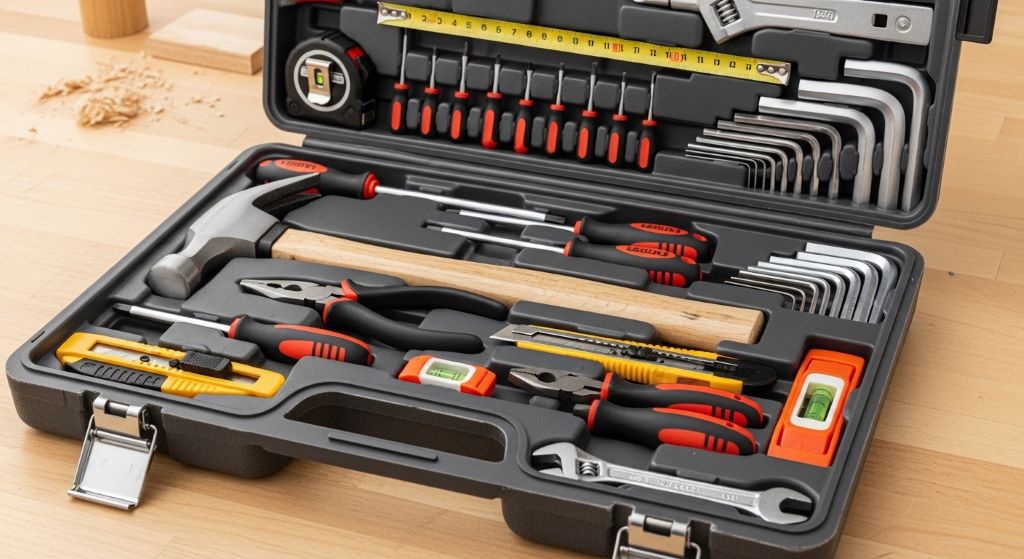
When building your first toolkit, begin with the essentials. These tools cover most common tasks and form the foundation of your kit.
Basic Hand Tools You Should Own
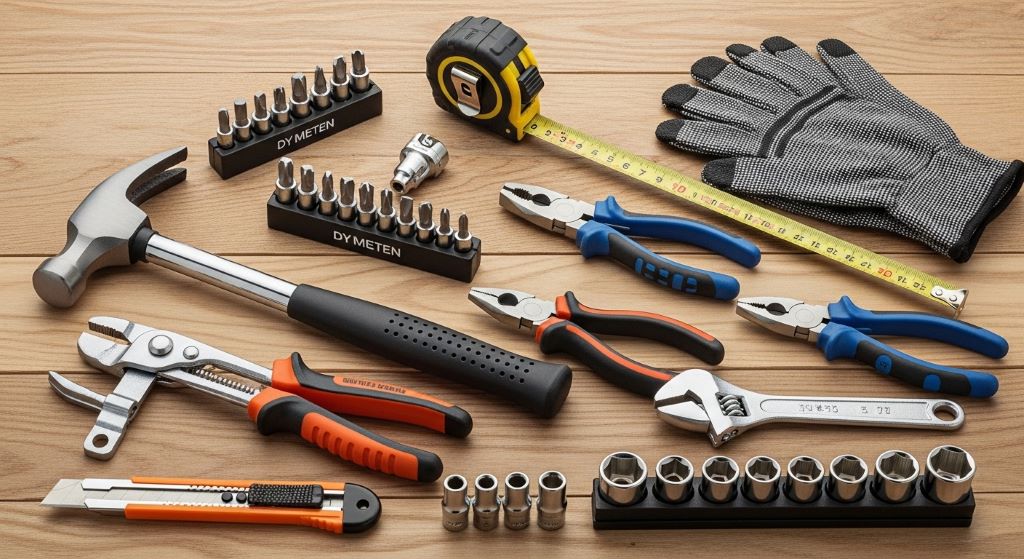
- Hammer
- Screwdriver set (flathead and Phillips)
- Adjustable wrench
- Pliers
- Tape measure
- Utility knife
These items are part of your essential gear and will serve you for years.
Choose Affordable but Durable Options
Buying cheap tools can sometimes lead to frustration. However, that does not mean you need premium brands.
Look for tools that balance price and quality. For example:
- Mid-range brands often provide good durability
- Avoid extremely low-cost tools that break easily
- Check reviews before buying
Additionally, consider buying tools in sets. They are usually cheaper than purchasing items individually.
Focus on Multi-Purpose Tools
Multi-purpose tools help you save money and space. Instead of buying several single-use tools, choose items that perform multiple functions.
Examples include:
- Adjustable wrench instead of multiple fixed-size wrenches
- Multi-bit screwdriver instead of separate screwdrivers
- Combination pliers
Therefore, you reduce costs while increasing efficiency.
Build Your Kit Step by Step
You do not need to buy everything at once. Start small and expand your toolkit as needed.
For instance:
- Begin with basic hand tools
- Add measuring and cutting tools
- Upgrade to power tools later
This gradual approach helps you manage your budget and learn along the way.
When to Invest in Power Tools
Power tools are helpful but not always necessary at the beginning.
However, if you plan to take on bigger projects, consider adding:
- Drill machine
- Electric screwdriver
- Jigsaw
Start with one versatile tool, such as a drill. It can handle many tasks, including drilling holes and driving screws.
Look for Discounts and Deals
Saving money is easier when you shop smart.
Here are some tips:
- Buy during seasonal sales
- Check online marketplaces
- Look for bundle deals
- Use coupons or discount codes
Additionally, second-hand tools can be a great option if they are in good condition.
Organize Your Tool Kit Properly
A well-organized toolkit saves time and effort.
Consider using:
- A small toolbox
- Storage bags
- Drawer organizers
Labeling your tools also helps you find them quickly. Therefore, you avoid wasting time searching for items.
Safety Should Always Come First
Even basic tools can cause injury if used incorrectly.
Always follow safety practices:
- Wear gloves when needed
- Use tools for their intended purpose
- Keep tools clean and in good condition
Additionally, store sharp tools safely, especially if children are around.
Avoid Common Beginner Mistakes
Many beginners make simple mistakes that cost time and money.
Here are a few to avoid:
- Buying too many tools at once
- Ignoring quality for low price
- Not learning how to use tools properly
- Skipping safety precautions
By avoiding these errors, you can build a more effective toolkit.
Learning Basic Skills Along the Way
Owning tools is only part of the process. You also need to learn how to use them.
Start with simple projects like:
- Fixing a loose hinge
- Assembling furniture
- Hanging shelves
Over time, your confidence will grow. Additionally, you will understand which tools you truly need.
Budget Planning Tips for Beginners
Managing your budget is essential when building a toolkit.
Here are some practical tips:
- Set a fixed budget before shopping
- Prioritize must-have tools
- Avoid impulse purchases
- Track your spending
Therefore, you stay within your limits while building a useful kit.
Expanding Your Kit Over Time
As your skills improve, you may want to expand your toolkit.
Consider adding:
- Level tool for accuracy
- Clamps for holding materials
- Saw for cutting wood
- Advanced measuring tools
However, only buy new tools when necessary. This ensures your collection remains practical.
Balancing Cost and Quality
Finding the right balance between cost and quality is key.
Spending too little may result in tools that break easily. On the other hand, overspending can strain your budget.
Therefore, aim for tools that offer:
- Good durability
- Comfortable grip
- Reliable performance
This balance ensures long-term value.
Why DIY Basics Matter for Beginners
Learning DIY basics helps you become self-reliant.
You can fix small issues without waiting for help. Additionally, it saves money in the long run.
Simple skills like measuring, cutting, and assembling are easy to learn. Over time, these skills become second nature.
Maintaining Your Tools for Longevity
Proper maintenance keeps your tools in good condition.
Follow these simple steps:
- Clean tools after use
- Store them in a dry place
- Oil moving parts when needed
- Replace damaged tools
Therefore, your toolkit lasts longer and performs better.
Creating a Practical and Compact Kit
A beginner toolkit should be easy to carry and store.
Avoid overloading your toolbox. Instead, focus on:
- Compact tools
- Lightweight items
- Organized storage
This makes your kit more convenient to use.
Conclusion
Creating a beginner toolkit on a budget is both achievable and rewarding. By focusing on essential gear, choosing affordable options, and building your kit gradually, you can cover most household tasks without overspending.
Additionally, learning DIY basics will improve your confidence and skills over time. Remember to prioritize quality, stay organized, and follow safety practices.
With the right approach, your toolkit will become a valuable resource for years to come.
Frequently Asked Questions
-
What tools should a beginner buy first?
Start with a hammer, screwdrivers, pliers, adjustable wrench, and tape measure. These tools handle most basic tasks.
-
Are expensive tools better for beginners?
Not always. Mid-range tools often provide good quality at a reasonable price.
-
How can I save money when buying tools?
Look for sales, buy sets, and consider second-hand tools in good condition.
-
Do I need power tools as a beginner?
No, you can start with hand tools. Add power tools later as your needs grow.
-
How do I maintain my tools?
Clean them after use, store them properly, and check for damage regularly.
Related Topics:
What Does Thermal Management Mean in the Home?
A step-by-step guide to cleaning sash windows