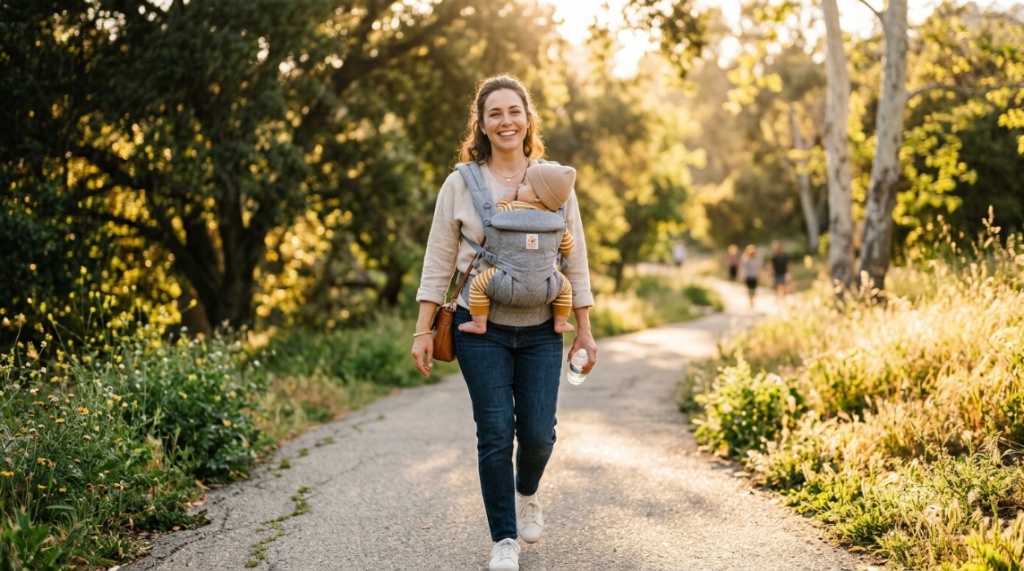
You want a carrier that keeps your baby snug and your back pain-free, but California’s cost of living makes every dollar count. The good news? You don’t need to spend $200 to get a supportive, ergonomic carrier. The challenge is knowing which budget-friendly options actually deliver on comfort and safety. Many parents buy cheap wraps that sag or complicated buckles that hurt their shoulders. The solution is learning where to find comfortable, affordable CA options that don’t sacrifice quality. This guide cuts through the noise, showing you exactly what to look for, where to shop, and how to save money without compromising your baby’s hip health or your own comfort.
What Makes a Baby Carrier Comfortable for Long-Term Wear?
The Role of Ergonomic Positioning
A comfortable carrier starts with the M-position for your baby. The knees should be higher than the bottom, forming an “M” shape. This supports healthy hip development and prevents your baby from dangling by the crotch. Look for carriers with wide, padded seats that allow this natural position. Narrow seats force the baby’s legs straight down, which is uncomfortable for both of you after 20 minutes.
Weight Distribution and Your Back
Your comfort depends on how the carrier transfers weight. A good carrier distributes baby’s weight across your hips, shoulders, and upper back. Look for padded shoulder straps at least 2.5 inches wide and a supportive waist belt. Structured carriers with lumbar support are ideal for longer walks or hikes. If you feel all the weight in one spot, keep shopping.
Breathability and Climate Considerations for California
California’s heat, from Sacramento summers to San Diego coastal warmth, demands breathable fabrics. Mesh panels or 100% cotton carriers reduce sweat for both you and baby. Avoid thick polyester padding in hot months. For cooler mornings in the Bay Area, a soft-structured carrier with a cotton blend works well year-round. Look for the “breathable mesh” label if you plan to babywear in summer.
Why Affordable Does Not Mean Low Quality in Baby Carriers
How Brands Achieve Lower Prices Without Sacrificing Safety
Many budget-friendly carriers meet the same ASTM safety standards as premium brands. They save costs by using simpler designs, fewer accessories, or direct-to-consumer sales models. For example, a basic buckle carrier from brands like Infantino or Momcozy skips the fancy zippered pockets but still has padded straps and a hip-safe seat. You pay for the essential engineering, not marketing fluff.
Common Misconceptions About Budget Carriers
The biggest myth is that “cheap equals unsafe.” In reality, many affordable carriers undergo rigorous testing. Another misconception is that only expensive wraps support newborns properly. Many sub-$60 carriers include infant inserts suitable from birth. The real difference is often in fabric feel, not structural integrity. A $40 carrier can hold a 25-pound toddler securely if designed correctly.
Which Types of Baby Carriers Are Most Comfortable and Affordable?
Soft-Structured Buckle Carriers
These are the most popular choice for California parents. They combine the ease of a backpack with the comfort of a wrap. Buckle carriers with padded waist belts and shoulder straps distribute weight evenly. Budget picks like the Infantino Flip 4-in-1 (around $35) or the LÍLLÉbaby Complete (on sale for $80-$90) offer long-term comfort. They work well from the newborn stage through toddlerhood.
Ring Slings for Quick Errands
Ring slings are minimalist and affordable, often priced between $25 and $50. They are excellent for quick up-down motions, like grocery shopping in California’s farmer’s markets. The key to comfort is a well-padded shoulder and a sturdy metal ring. Look for linen or cotton blends that adjust easily. They don’t work well for extended periods, but for a 30-minute Target run, they are ideal.
Stretchy Wraps for Newborns
Stretchy wraps like the Moby or Boba Wrap (both under $60) are perfect for the first three months. They mimic the feeling of being held, which soothes colicky babies. However, they are not great for heavy toddlers. For comfort, ensure the wrap is not too tight across your shoulders. Practice the “tuck and tail” technique to avoid pressure points. They are machine-washable, which is a bonus for messy newborns.
Meh Dai (Asian-Style Carriers)
Meh Dais are a hybrid between a wrap and a buckle carrier. They cost between $40 and $70 and offer excellent adjustability. You tie the straps, which allows a custom fit for different body types. Many California parents prefer them for hiking because they pack flat. The long straps distribute weight well across your torso. Look for padded waist belts if you plan to carry a heavy toddler.
How to Find Comfortable Baby Carriers Affordable CA Options Online
Best Websites for Deals and Clearance
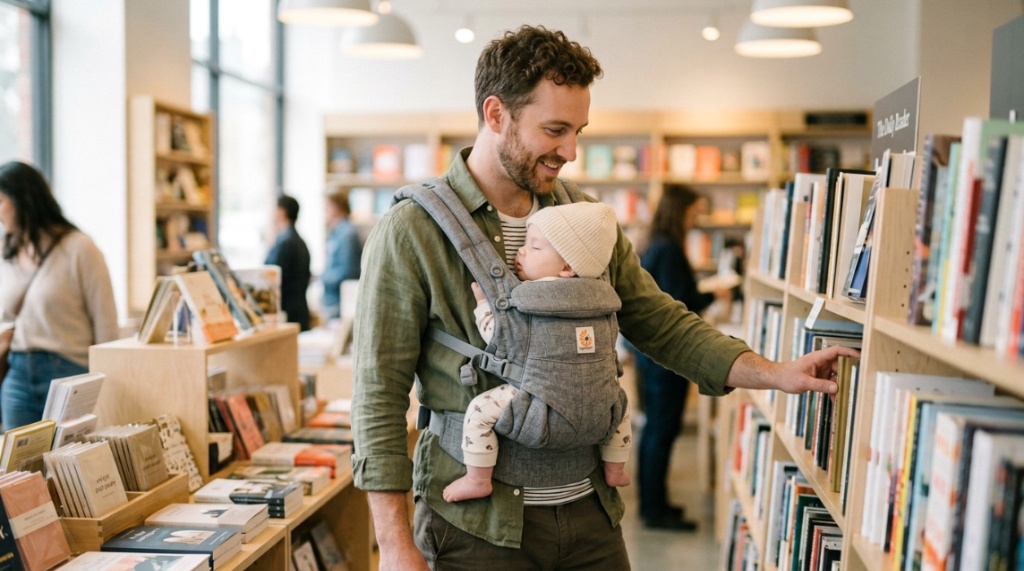
Start with Amazon’s warehouse deals, which offer open-box carriers at 30-40% off retail. Check Target’s clearance section online, especially when they rotate inventory. Another excellent resource is the comfortable baby carriers affordable CA guide on ProBabyGuide, which lists verified budget picks tailored to California families. Also, check the “Outlet” sections on baby specialty sites like Albee Baby or BabyList.
Second-Hand Marketplaces Worth Checking
Sites like Facebook Marketplace, OfferUp, and local California Buy Nothing groups are goldmines. Many parents sell barely used carriers because their baby outgrew them quickly. Inspect photos for frayed straps or broken buckles. Meet in a public place like a Target parking lot. Offer $5-$10 less than the asking price – most sellers accept. In the Bay Area, you can find an ErgoBaby 360 for $50, which retails for $165.
How to Save Money Without Compromising Safety
Prioritize Hip-Healthy Design
Always check the carrier’s seat width and the position it forces your baby into. A hip-healthy carrier supports the thigh to the knee, creating a deep seat. If it looks like a suspender forcing the baby to sit upright, skip it. Budget carriers from Infantino and Evenflo pass these tests, while some cheap no-name brands on Amazon do not. Read the product manual or look for the “HIP-Health” certification.
Avoid Unnecessary Features That Raise Prices
Premium carriers come with extras like sun hoods, teething pads, and cooling mesh. These add $30-$50 to the price. A basic carrier without these features works perfectly for 90% of outings. You can buy a universal sun shade for $10 on Amazon. The teething pads also wash and wear out anyway. Spend your money on padded straps and a good waist belt, not on accessories.
Where to Physically Test Carriers in California Before Buying
Major Retailers with Baby Departments
California has plenty of stores where you can test carriers. Try BuyBuy Baby (if still open in your area), Target, or Walmart. Bring a doll or a weighted bag to simulate your baby’s weight. Ask to try on three different styles: a buckle carrier, a wrap, and a ring sling. Spend five minutes in each to feel pressure points. Employees at Target’s baby section are usually helpful with basic questions.
Local Baby Stores and Babywearing Groups
Independent baby stores in cities like San Francisco, Los Angeles, and San Diego often hold babywearing meetups. Search Facebook for “Babywearing [your city]” to find local groups. These groups let you try carriers for free before buying. Members often sell used carriers for $20-$30. You can also get hands-on professional advice from certified babywearing educators, which is invaluable for first-time parents.
Once you’re home and have safely unbuckled your little one, you can help soothe any lingering muscle tension from carrying gear with some gentle Tips for giving relaxing massages to unwind both you and your baby
How to Clean and Maintain Your Carrier for Long-Lasting Comfort
Washing Instructions by Material
Cotton carriers can be machine washed on cold gentle cycle. Mesh carriers should be air-dried to prevent pilling. Always remove structured inserts or buckles before washing. Use a gentle detergent free of dyes. For canvas carriers, spot clean with a damp cloth. Do not bleach or use fabric softener, as it damages the fibers. Proper washing ensures the padding stays supportive and the buckles remain secure.
When to Replace Your Carrier
Check for frayed seams, broken buckles, or stretched-out fabric before each use. If the waist belt no longer cinches firmly or the shoulder straps lose their shape, replace the carrier. Most carriers last through one or two children. If you buy used, inspect the buckles for cracks. A broken buckle while you are carrying a 20-pound toddler is dangerous. Replace any damaged part immediately.
Which California-Specific Factors Should Influence Your Decision?
Weather Adaptability
California’s microclimates mean you need versatility. A carrier with a removable hood or a breathable fabric works well from the coast to the inland valleys. If you live in the Central Valley where summer hits 100F, prioritize mesh over thick cotton. In coastal areas, a lightweight wool blend can be comfortable year-round. Avoid carriers with black or dark colors if you will be in direct sun.
Transportation and Lifestyle Needs
If you rely on public transit, a compact carrier that folds into a bag is ideal. For hikers, a structured carrier with a sun canopy and storage pockets is key. For city dwellers who walk daily, a ring sling or a buckle carrier with hip support is best. Think about your daily routine: will you need to wear the carrier for 10 minutes or four hours? match the carrier to your activity level.
Frequently Asked Questions
Can I get a comfortable baby carrier for under $50?
Yes. You can find comfortable soft-structured carriers like the Infantino Flip or the Evenflo Snugli for under $50. Look for padded shoulder straps and a wide seat. Check online marketplaces for barely used carriers from parents who only used them a few times.
Are wrap carriers safe for newborns?
Yes, stretchy wrap carriers are safe for newborns when used correctly. Ensure the baby’s face is visible, the chin is off the chest, and the baby is positioned high enough to kiss. Always follow the “TICKS” guidelines for safe babywearing.
How do I know if a carrier is ergonomic?
An ergonomic carrier supports the baby in a natural seated position. The baby’s knees should be higher than their bottom, creating an M-position. The carrier should also support the baby’s head and neck if they are under 6 months. Avoid carriers that force the baby to dangle.
Is a baby carrier worth buying for a toddler?
Yes, especially for parents who hike or walk long distances. Toddlers tire quickly and want to be carried. A supportive toddler carrier saves your back and keeps your child safe. Look for carriers with a weight limit of at least 40 pounds.
What is the best way to store a baby carrier when not in use?
Store the carrier in a cool, dry place away from direct sunlight. Hang it on a sturdy hanger or fold it loosely in a drawer. Avoid stuffing it into a tight space, which can bend the buckles. If storing for a long time, wash it first and ensure it is completely dry.
Can I carry a baby on my back in a budget carrier?
Yes, many budget buckle carriers allow back carry. Check the user manual for weight and age requirements. Back carry is usually safe after 6 months when the baby has good neck control. Ensure you practice with a spotter the first few times.
How often should I wash my baby carrier?
Wash it after every 2-3 heavy use days, or immediately if there is a leak or spit-up. Regular washing prevents bacteria buildup and keeps the fabric soft. Over-washing can wear out the fabric, so only wash when necessary.
Conclusion
Finding a comfortable baby carrier in California on a budget is entirely possible. Focus on ergonomic design that supports your baby’s hips and your own back. Prioritize padded straps, a supportive waist belt, and breathable fabrics suitable for California’s diverse climate. Skip the overpriced features and look for budget-friendly brands that meet safety standards. Use online marketplaces, warehouse deals, and local babywearing groups to get quality carriers for a fraction of retail. Your back and your wallet will thank you. Next time you head out for a walk along the beach or a trip to the farmer’s market, you can carry your baby comfortably without worrying about the cost. Start searching today with our curated list of options and take the first step toward pain-free, happy babywearing.