You just bought your first set of clubs, and you are standing on the first tee box. Suddenly, you realize there are twenty different tees in your bag, and you cannot figure out which one to use. If this sounds familiar, you are not alone. Most new golfers assume every tee is the same, but the truth is that using the wrong tee can cause slices, mis-hits, and unnecessary frustration. The right beginner golf tees can improve your launch angle, increase your confidence, and even help you hit the ball straighter. In this guide, you will learn exactly which tees work best for beginners, how height affects your swing, and what materials actually last longer.
Why Do Beginners Need Specific Golf Tees?
Beginners need specific golf tees because their swing mechanics are still developing. A standard tee height that works for a professional may cause a beginner to hit the top of the ball or the ground before impact. Using the correct tee helps you find the sweet spot of the driver more consistently, which leads to better distance and fewer topped shots. The right tee also reduces the number of broken tees you go through during a round, saving you money and frustration.
Many beginners grab the cheapest bulk tees without understanding how they affect ball flight. A tee that is too short forces you to adjust your posture. A tee that is too long encourages an upward swing that may cause pop-ups. Beginners benefit most from tees that offer stability, visibility, and precise height control. When you match the tee to your clubhead size and your natural swing plane, you remove one variable that can cause bad shots.
Common Problems Beginners Face With Tees
- The ball falls off the tee before you swing
- The tee breaks on every drive
- You cannot remember the correct height to set the ball
- The tee blends into the grass, making it hard to see
- You hit the tee itself instead of the ball
What Height Should a Beginner Set Their Golf Tee?
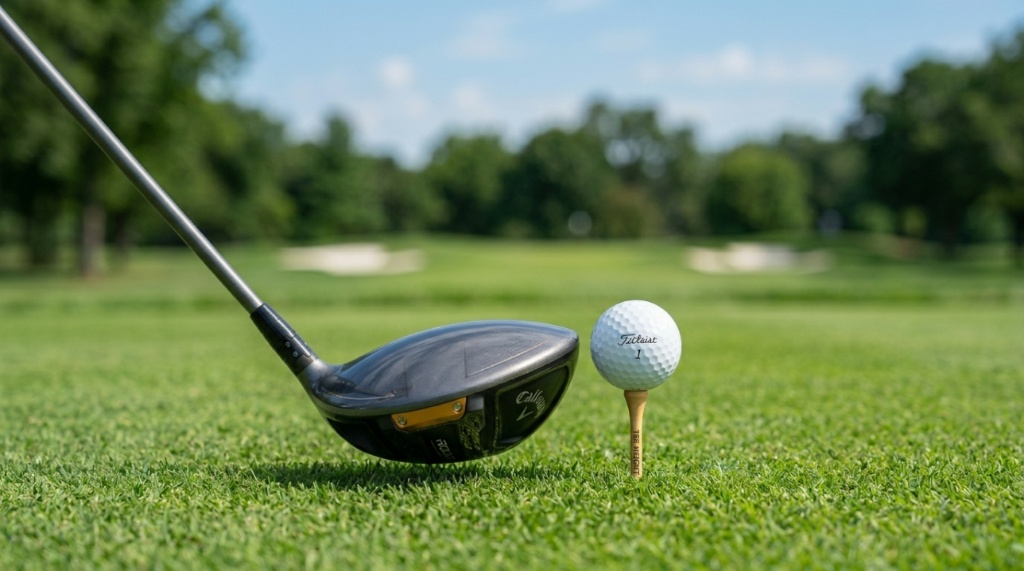
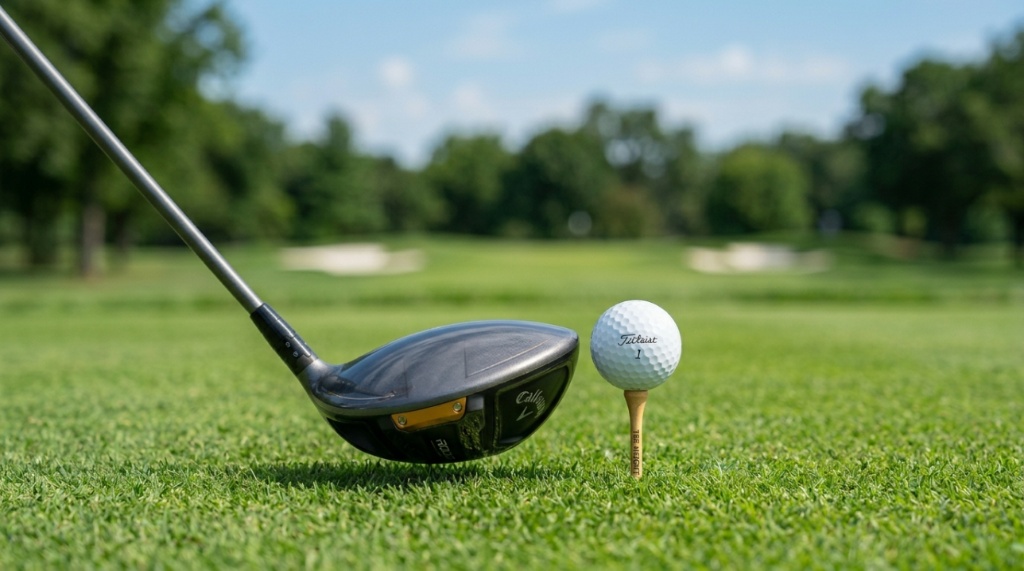
A beginner should set their golf tee so that half of the ball sits above the top edge of the driver face when the club is placed flat on the ground behind the ball. This height usually means the tee is about 2.75 to 3 inches out of the ground for a standard driver. This position allows you to catch the ball on the upward part of your swing arc, which promotes a higher launch and less spin.
For irons and hybrids, the ball should sit much lower. For a 5-iron, the tee should be barely above ground level, just enough to give you a clean lie. Many beginners make the mistake of teeing irons too high, which leads to thin shots that skip across the ground. A simple visual cue is to tee irons so the ball is level with the top of the clubface at address. For a driver, the tee height should put the center of the ball aligned with the top edge of the driver face.
Quick Height Guide for Beginners
| Club Type | Recommended Tee Height (inches) | Ball Position |
|---|---|---|
| Driver | 2.75 – 3.0 | Half ball above face top |
| Fairway Wood | 1.5 – 2.0 | Bottom third above face |
| Hybrid | 1.0 – 1.5 | Slightly above ground |
| Iron (3-6) | 0.75 – 1.0 | Level with face top |
| Iron (7-9) | 0.5 – 0.75 | Barely visible above grass |
Which Tee Material Is Best for Beginners?
The best tee material for beginners is plastic or composite because these materials offer consistent break resistance and uniform height. Wooden tees are traditional and biodegradable, but they snap easily when a beginner mis-hits the ball. Plastic tees bend rather than snap, which means you can use the same tee for multiple holes. Composite tees with a soft top and a strong base give you the best of both worlds.
Beginners should avoid metal tees entirely until they develop consistent swing control. Metal tees can damage driver faces and are difficult to insert into hard ground. Wooden tees remain popular because they are cheap and eco-friendly, but you may go through a dozen or more in one round if you hit the ground before the ball. For beginners, investing in a pack of durable plastic tees with a consistent length removes the hassle of constantly bending over to pick up broken pieces.
Pros and Cons of Tee Materials
- Wooden tees: Cheap, biodegradable, break easily, inconsistent lengths in bulk packs
- Plastic tees: Durable, bend instead of break, consistent height, may bend permanently
- Composite tees: Best durability, flexible top, rigid base, slightly more expensive
- Metal tees: Very durable, risk of damaging clubs, hard to insert, not recommended
Choosing the right tee helps you launch cleaner drives, which keeps the tee box in great shape. However, when you do leave a mark on the turf, knowing how to fix it is just as important as your swing. Check out our guide on Golf Divot Tools for Beginners and Pros to keep the course pristine.
How Do Tee Length Options Affect Your Swing?
Standard tee lengths range from 2.125 inches to 4 inches. For beginners using a driver, a 3-inch tee is the safest choice because it provides the optimal height without forcing you to adjust your swing. If you use a tee that is too long, you may swing under the ball and create excessive backspin, causing the ball to balloon and lose distance. If the tee is too short, you might hit down on the ball, producing a low, running shot that rolls too far but lacks carry.
Beginners who use a 2.125-inch tee for their driver often struggle because the ball sits too low relative to the sweet spot. This forces you to drop your right shoulder (for right-handed players) to make contact, which promotes a steep swing path. A 3-inch or 3.25-inch tee allows you to maintain a more natural spine angle and swing through the ball with less manipulation. Once you develop a consistent swing, you can experiment with different lengths to fine-tune your trajectory.
Can the Color of a Golf Tee Really Help Beginners?
Yes, the color of a golf tee can help beginners by making the tee more visible against the grass, which improves alignment and reduces missed shots. Bright colors like neon green, orange, yellow, or pink stand out against both light and dark turf. When you can clearly see your tee, you can place the ball more precisely and align your clubface more accurately.
Many beginners lose focus because they cannot see the tee against the grass, especially in early morning dew or late afternoon shadows. A brightly colored tee acts as a visual anchor for your eyes. It helps you keep your head steady during the swing because you have a clear target to look at. While color does not affect ball flight directly, the psychological benefit of seeing exactly where your ball sits can improve your confidence and consistency.
Which Type of Tee Prevents the Ball From Falling Off?
Tees with a concave or cupped top prevent the ball from falling off by creating a small depression that holds the ball in place. Standard flat-top tees allow the ball to roll off easily if the ground is uneven or if the tee is inserted at an angle. Beginner-friendly tees often feature a brush-style top or a small well that grips the ball without damaging the cover.
This feature is especially helpful on windy days or when the ground is hard and the tee wobbles. If you struggle with the ball falling off repeatedly before you swing, look for tees labeled “ball stability” or “cupped design.” These tees cost slightly more, but they eliminate a major source of frustration for beginners. You will spend less time resetting your ball and more time practicing your swing.
How Many Golf Tees Should a Beginner Carry in Their Bag?
A beginner should carry at least 20 golf tees in their bag to cover an entire round, including extras for broken tees and lost ones. It sounds like a lot, but beginners break or lose tees at a much higher rate than experienced players. You will use a fresh tee on every par-3 and every par-4, and you may break two or three tees on a single hole if you hit the ground.
It is smart to separate your tees into two groups. Keep a pocket with your everyday tees (plastic or composite) that you use on most holes. Keep a separate small pocket with a few longer tees for your driver and a few shorter tees for irons. This system prevents you from searching through your bag mid-round and keeps your focus on the shot. Having enough tees also means you will not feel tempted to reuse a cracked tee, which could slip and cause a mis-hit.
Beginner Tee Packing Checklist
- 10 plastic tees (3-inch length) for driver
- 5 plastic tees (2-inch length) for fairway woods
- 5 plastic tees (1-inch length) for irons
- 2 marker tees (optional) for alignment practice
- 1 small bag or pouch to keep them organized
When Should a Beginner Replace Their Golf Tees?
A beginner should replace their golf tees as soon as they notice any cracks, bends, or sharp edges. Using a damaged tee can cause the ball to sit unevenly, which may lead to a slice or hook before you even swing. Plastic tees that have been bent more than 15 degrees should also be replaced because the angle can tilt the ball off-center.
Wooden tees should be replaced after every hole or after any mis-hit that caused the tee to come out of the ground. Even if a wooden tee looks intact, the impact can weaken the shaft, and it may snap on the next swing. Beginners should develop the habit of inspecting their tee before every shot. This takes three seconds and can prevent a frustrating outcome. If the tee tip is splintered or the cup is deformed, throw it away and grab a fresh one.
What Is the Most Affordable Way to Buy Beginner Golf Tees?
The most affordable way for beginners to buy golf tees is to purchase bulk packs of plastic tees in a single length, then supplement with a smaller variety pack for different clubs. Bulk packs of 100 to 500 tees reduce the cost per tee to less than five cents each. Plastic tees last longer than wood, so a bulk pack of plastic tees can last an entire season for a beginner who plays once per week.
If you prefer variety, look for combo packs that include multiple lengths. Many online retailers offer packs with 2.75-inch, 3-inch, and 3.25-inch tees so you can test which height works best. Avoid buying novelty tees with logos or unusual shapes until you know which standard tee works for your swing. Spending extra money on fancy tees does not improve performance for beginners. Instead, invest in quantity and consistency. For a solid selection of reliable and budget-friendly options, check out these high-quality beginner golf tees that balance durability and price perfectly.
How Can Beginners Test Different Tees Without Wasting Money?
Beginners can test different tees without wasting money by buying one small pack of three different lengths and seeing which feels most comfortable during a practice session. Go to a driving range with a bucket of balls and use a different tee height for every set of five swings. Pay attention to where the ball makes contact on the clubface and how the ball flight looks.
Another low-cost method is to borrow a single tee from a friend or ask the pro shop if they have a sample. Many golf courses sell individual tees at the counter for a few cents. Try each length for at least ten swings to account for variation in your swing. Keep notes on which height produced the most solid impact sound and the straightest ball flight. Once you find your preferred height, buy in bulk to save money.
Frequently Asked Questions
Can I use a wooden tee for my driver if I am a beginner?
Yes, you can use a wooden tee for your driver, but be prepared to replace it frequently. Wooden tees break more easily when beginners mis-hit, and broken pieces can be distracting during a round. Plastic tees are more forgiving for beginners.
Do longer tees help beginners hit the ball farther?
Longer tees can help beginners hit the ball farther only if they are used correctly. A tee that is too long may cause pop-ups. A tee that is too short may cause low drives. The correct height for your swing yields the best distance.
Why do my golf tees keep breaking?
Your golf tees likely keep breaking because you are hitting the ground before the ball, a common issue for beginners. Switching to plastic or composite tees can reduce breakage. Also, check that you are not inserting the tee too deep into hard soil.
Is it okay to reuse a plastic tee that has bent slightly?
No, you should not reuse a plastic tee that has bent significantly because the angle will cause the ball to sit unevenly. Slight bends under 15 degrees are usually fine, but replace the tee if the bend affects ball stability.
Should I use a different tee for every club?
Yes, you should use a different tee height for your driver, fairway woods, hybrids, and irons. Using the same tee for every club leads to poor contact. Carry multiple lengths and switch based on the club you are hitting.
What is the best tee material for cold weather?
Plastic tees are best for cold weather because wood becomes brittle and breaks more easily in freezing temperatures. Plastic stays flexible and inserts more easily into frozen ground. Composite tees also perform well in cold conditions.
Can tee color affect my swing mentally?
Yes, tee color can affect your swing mentally. Bright colors improve visibility and help you focus on the ball, which can reduce anxiety and improve consistency. Choose a color that stands out against the type of grass you play on most often.
Conclusion
Choosing the right golf tees as a beginner is not about brand names or expensive materials. It is about understanding how tee height, material, and visibility affect your swing and your results. Start with plastic or composite tees in the correct length for each club, use bright colors to improve your focus, and always carry enough tees to avoid scrambling during your round. The small adjustments you make today will translate into more solid contact, straighter drives, and lower scores. Do not overthink the decision. Buy a bulk pack of tees that match the guidelines we covered, practice with them, and notice how much easier it becomes to tee off with confidence.